
 Image 1 of 4
 Image 2 of 4
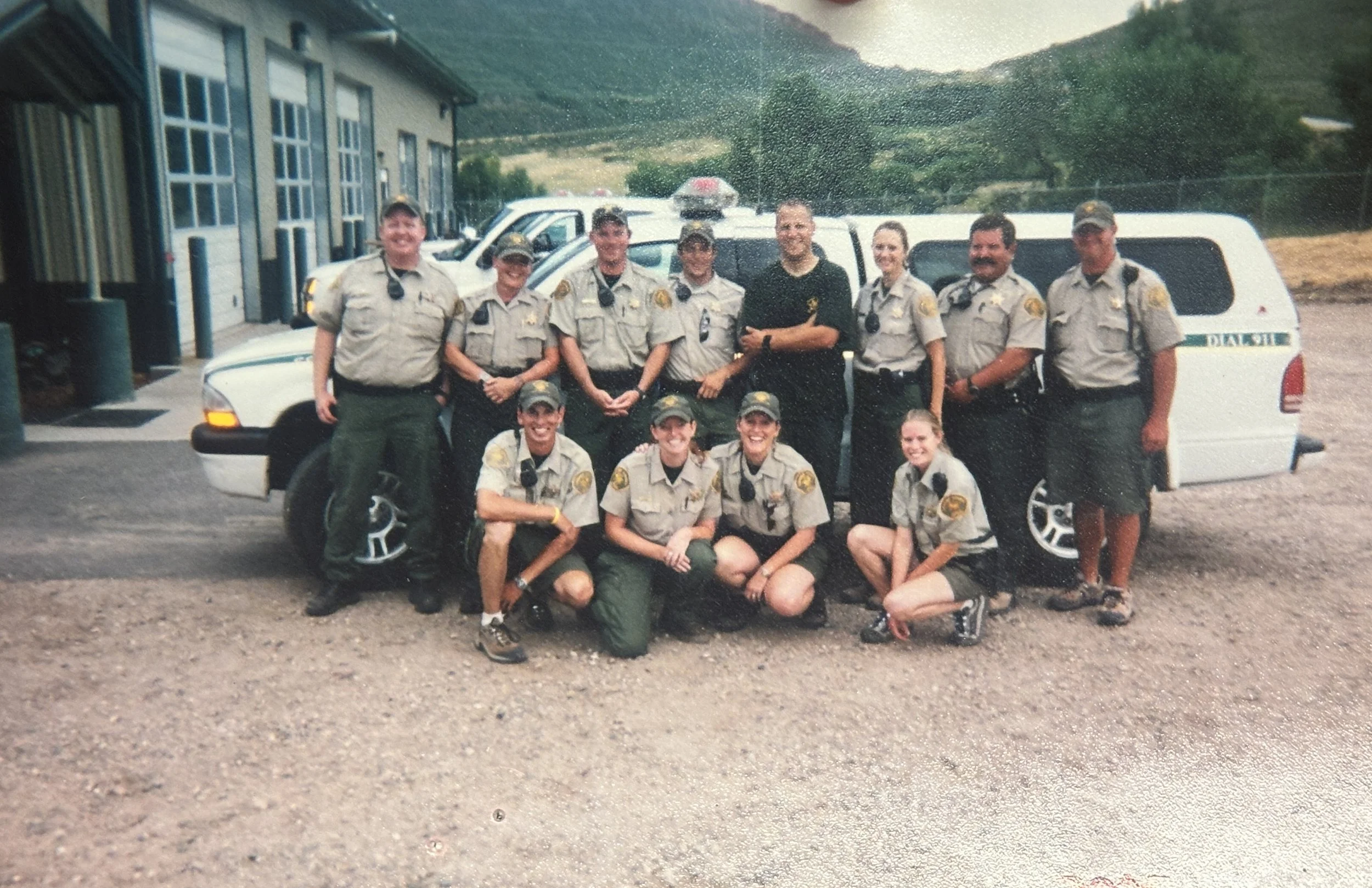 Image 3 of 4
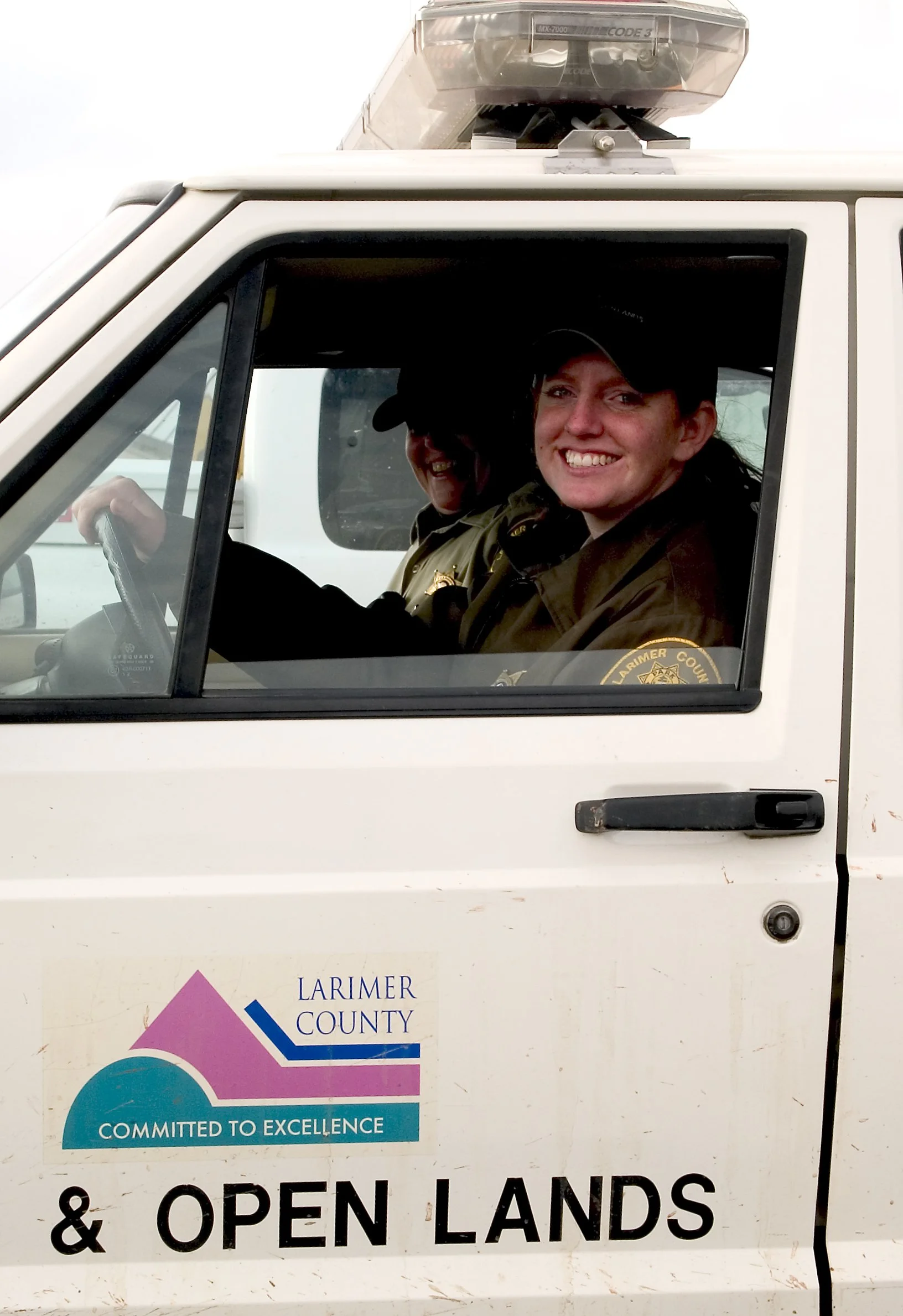 Image 4 of 4
I was hired as a seasonal ranger in Oct of 2004.
A "winter seasonal" position was extremely difficult to find and I was the only one at Carter at the time. Chris Fleming hired me :) haha sucker!
By summer I was training the new rangers coming in. I was hired by Colorado State Parks in Sept of 2005 for a full time position, but one of the things that stuck with me about Larimer County was the feeling of family here. I didn't get that with the state, and when a full time position opened up, it was an easy decision to come back.
I was hired as a full time Ranger in Oct of 2007.
Since then there has been abundant growth and changes I have been honored to be a part of. I don't know how much or little I contributed to them, but as a team and a department, I saw changes from selling cash sale camping permits in the field to moving to the online reservation system.
We went from teaching seasonal rangers on nights and weekends for a month before Memorial Day to hosting a ranger training for a week on our own to opening it up to other local governments that were struggling to train seasonals with limited budgets and staffing, and thus was there for the birth of Ranger Excellence School. It is still one of the things I am most proud of that our agency does and impacts a small but proud ranger family across the nation.
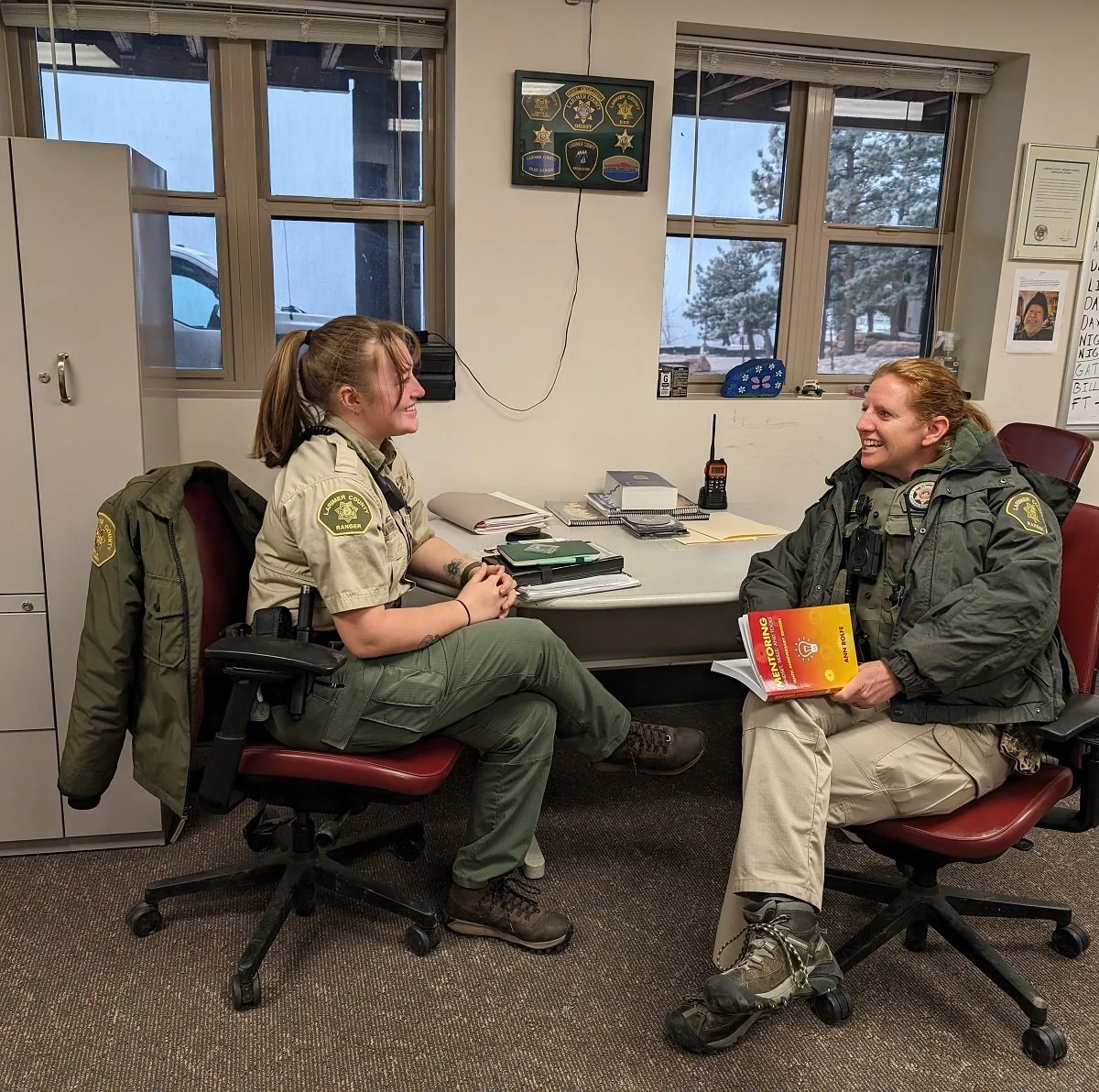
Teaching is one of the things I excel at individually and am very passionate about. I get to do less and less of it every year as I have less and less to do with training, but I work it in when I can.
We used to have "clunkers" for vehicles and they were all different makes/models, and I remember one of them burning to the ground because a mouse chewed the wrong wire! Even still, when I started as a seasonal, I was impressed with the vehicle fleet. After working at the state, I was grateful that it was a priority to our agency. It had to be! The distance our rangers traveled could not be done another way.
I even saw the pride in the boat program really develop over time, and now we are recognized by the state as a leader in our role.
I remember when I was a seasonal how Chimney Hollow was supposed to open in 2009 :). Vic Wilcox was one of the FTE rangers then and I loved that he would take us back to Chimney Hollow to "inventory" when it was truly this magical break from the hum of the boats on Carter Lake and the varying levels of craziness and busy to this beautiful valley, quiet and hidden. Occasionally we would get lucky and see a herd of elk or a black bear running around back there, adding it to our "inventory."
I have fond memories working with several of the 30 in 30 story highlights you have mentioned and am grateful that you highlighted their legacies.
We have grown in numbers, but one of my favorite things about our department is the opportunities for us all to work together across teams. It has always been strong and I have always valued that opportunity. I never felt like I was separate from the machine that we are, no matter the position or district.
I have worked in all districts although not all properties. I think the only areas I didn't officially work were Red Mountain and Eagles Nest.
The pride I have in this program comes out regularly whenever I hear from someone how much the developments are growing and how many people there are now, etc. I proudly describe our community responsibility to prevent the never-ending city.
I point out the properties that we have and continue to strive for to keep open spaces available, to keep providing public spaces for people to enjoy so close to home. It is nearly impossible to get back what we lose for public enjoyment, so I truly value the impact we have made.
Traveling around to other places, states, countries really shows you how rare it is to have so much public land and to the level our public lands are in beauty and values. How other places wish they had what we have and wish they had the forethought to preserve or conserve spaces because once it is gone, it is likely not to come back.
The wildlife and ecological diversity we keep is also rare, as so many other places have to build "greenbelts" and plant trees from the bare raw ground to try to bring something to their community. We are so lucky here to be where we are and have what we have.
I always understood it was far more expensive for us to keep these lands NOT BUILT UPON and commercialized or privatized than to accept the next highest bidder to parcel off and develop for individuals; it was always worth it to me to pay for a permit if it meant preventing that.
I was hired as a seasonal ranger in Oct of 2004.
A "winter seasonal" position was extremely difficult to find and I was the only one at Carter at the time. Chris Fleming hired me :) haha sucker!
By summer I was training the new rangers coming in. I was hired by Colorado State Parks in Sept of 2005 for a full time position, but one of the things that stuck with me about Larimer County was the feeling of family here. I didn't get that with the state, and when a full time position opened up, it was an easy decision to come back.
I was hired as a full time Ranger in Oct of 2007.
Since then there has been abundant growth and changes I have been honored to be a part of. I don't know how much or little I contributed to them, but as a team and a department, I saw changes from selling cash sale camping permits in the field to moving to the online reservation system.
We went from teaching seasonal rangers on nights and weekends for a month before Memorial Day to hosting a ranger training for a week on our own to opening it up to other local governments that were struggling to train seasonals with limited budgets and staffing, and thus was there for the birth of Ranger Excellence School. It is still one of the things I am most proud of that our agency does and impacts a small but proud ranger family across the nation.
Teaching is one of the things I excel at individually and am very passionate about. I get to do less and less of it every year as I have less and less to do with training, but I work it in when I can.
We used to have "clunkers" for vehicles and they were all different makes/models, and I remember one of them burning to the ground because a mouse chewed the wrong wire! Even still, when I started as a seasonal, I was impressed with the vehicle fleet. After working at the state, I was grateful that it was a priority to our agency. It had to be! The distance our rangers traveled could not be done another way.
I even saw the pride in the boat program really develop over time, and now we are recognized by the state as a leader in our role.
I remember when I was a seasonal how Chimney Hollow was supposed to open in 2009 :). Vic Wilcox was one of the FTE rangers then and I loved that he would take us back to Chimney Hollow to "inventory" when it was truly this magical break from the hum of the boats on Carter Lake and the varying levels of craziness and busy to this beautiful valley, quiet and hidden. Occasionally we would get lucky and see a herd of elk or a black bear running around back there, adding it to our "inventory."
I have fond memories working with several of the 30 in 30 story highlights you have mentioned and am grateful that you highlighted their legacies.
We have grown in numbers, but one of my favorite things about our department is the opportunities for us all to work together across teams. It has always been strong and I have always valued that opportunity. I never felt like I was separate from the machine that we are, no matter the position or district.
I have worked in all districts although not all properties. I think the only areas I didn't officially work were Red Mountain and Eagles Nest.
The pride I have in this program comes out regularly whenever I hear from someone how much the developments are growing and how many people there are now, etc. I proudly describe our community responsibility to prevent the never-ending city.
I point out the properties that we have and continue to strive for to keep open spaces available, to keep providing public spaces for people to enjoy so close to home. It is nearly impossible to get back what we lose for public enjoyment, so I truly value the impact we have made.
Traveling around to other places, states, countries really shows you how rare it is to have so much public land and to the level our public lands are in beauty and values. How other places wish they had what we have and wish they had the forethought to preserve or conserve spaces because once it is gone, it is likely not to come back.
The wildlife and ecological diversity we keep is also rare, as so many other places have to build "greenbelts" and plant trees from the bare raw ground to try to bring something to their community. We are so lucky here to be where we are and have what we have.
I always understood it was far more expensive for us to keep these lands NOT BUILT UPON and commercialized or privatized than to accept the next highest bidder to parcel off and develop for individuals; it was always worth it to me to pay for a permit if it meant preventing that.