
Chris Fleming
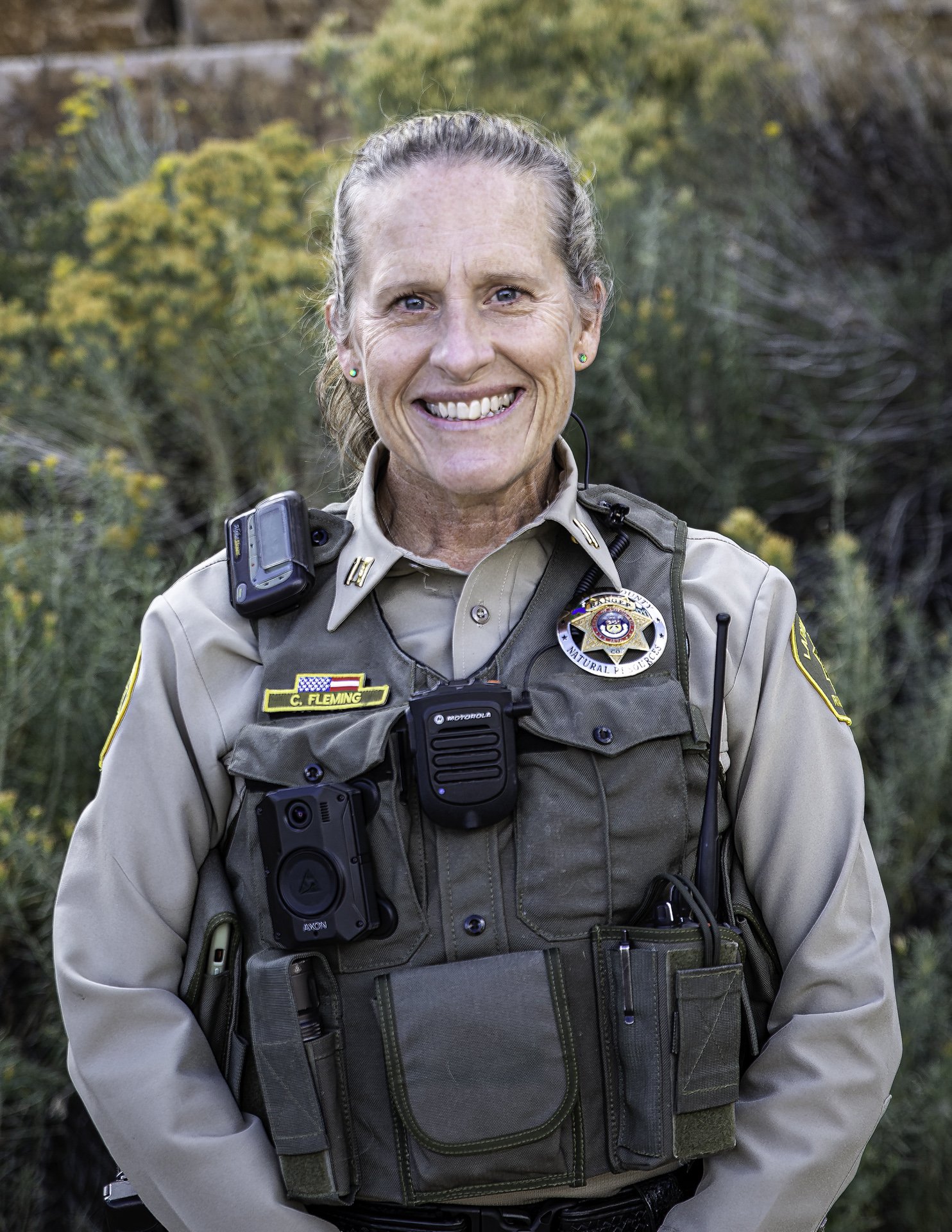
Chris Fleming started as a seasonal ranger making $3.25 an hour. She became Larimer County's first POST-certified ranger, then Hermit Park's first manager. For 25 years, she's watched the visitor services team grow from just her to 15 sworn officers protecting thousands of acres.
Written by Liz Munsterteiger
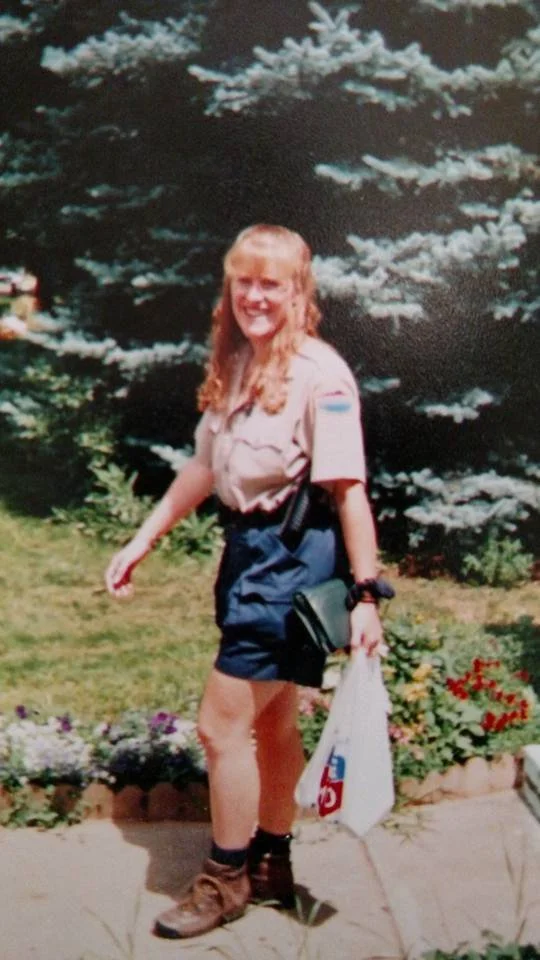
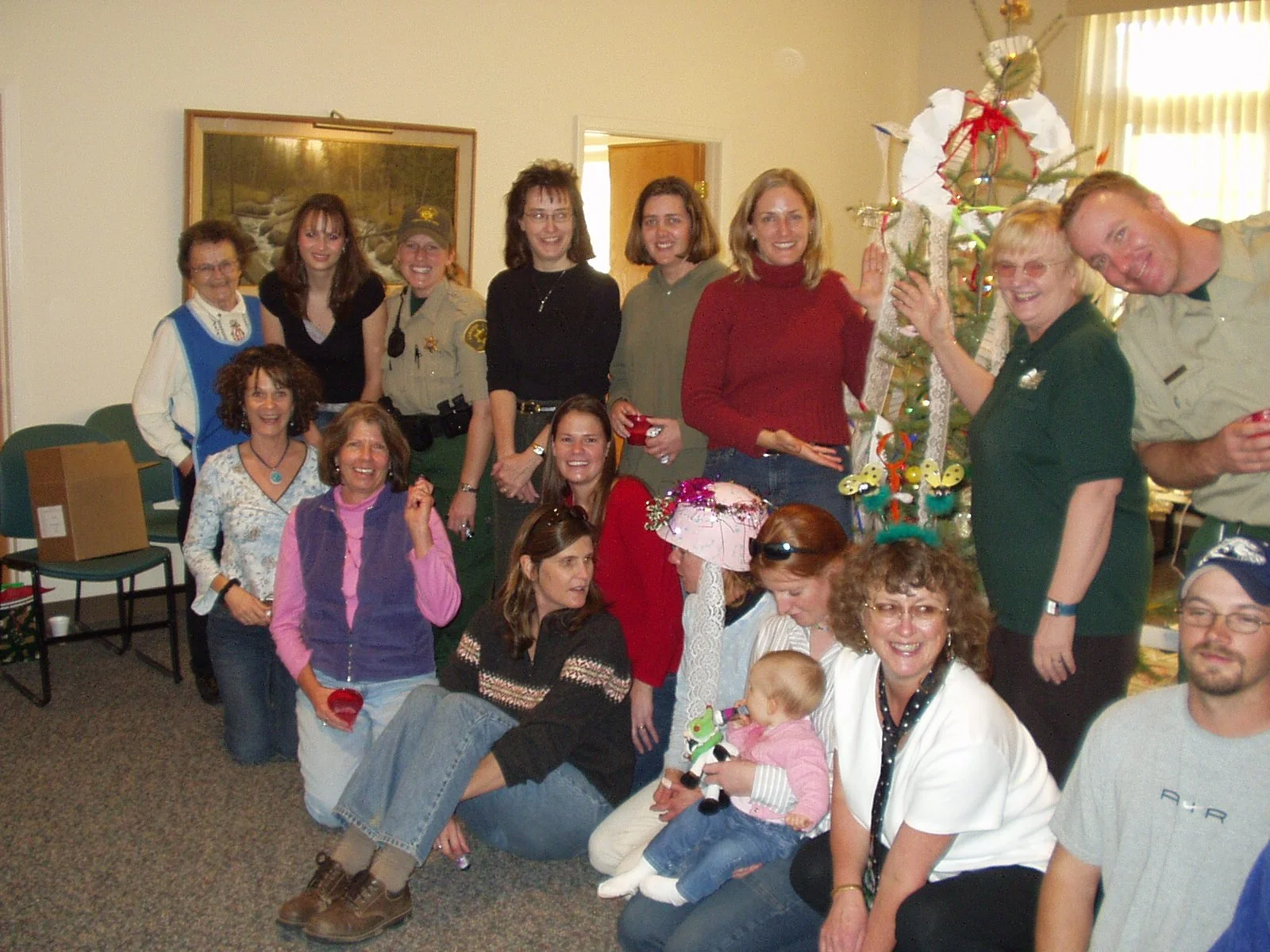
Chris Fleming, 1996
Chris Fleming didn’t set out to become a park ranger.
She was a wildlife biologist, working with the Colorado Natural Heritage Program on the Preble’s meadow jumping mouse, piecing together seasons of fieldwork funded by grants that always seemed to be drying up. She loved the work but was tired of the instability.
“I’m tired of chasing grant dollars,” she remembers thinking. “I want to have an actual job.”
Then she saw an ad for a seasonal ranger position at Horsetooth Reservoir. She pictured guided hikes and nature education, spending her days outdoors teaching people about the landscape she loved.
They hired her for the night shift. It was almost entirely law enforcement.
She fell in love with it anyway. Her first pay stub showed $3.25 an hour. “I probably would have paid to work there,” she says.
She spent about three and a half years as a seasonal ranger before attending the police academy and joining a local police department. She quickly realized it wasn’t for her. As a police officer, every interaction meant meeting someone on their worst day.
She missed the reservoir parks, where most encounters with the public were positive, mutual, and fun.
She eventually found her way back, juggling three jobs at once, working at the sheriff’s department, as a seasonal park ranger for Colorado State Parks, and for the county.
Then came a phone call from Larimer County Natural Resources. The department asked how she’d feel about coming back as a park ranger.
“I’ve been to the police academy. I have all these certifications,” she told them. “I don’t think I would go back to being unarmed.”
“What if we told you you’d be our first fully commissioned POST-certified ranger?”
That was the beginning. Chris became the first ranger hired under the model the department still uses today. For about a year and a half, she was the only full-time sworn ranger, covering both reservoirs on her own. In her time, the visitor services program has grown from just her to 15 sworn officers, roughly 25 full-time staff, and more than 100 seasonal employees hired every year to keep everything running.
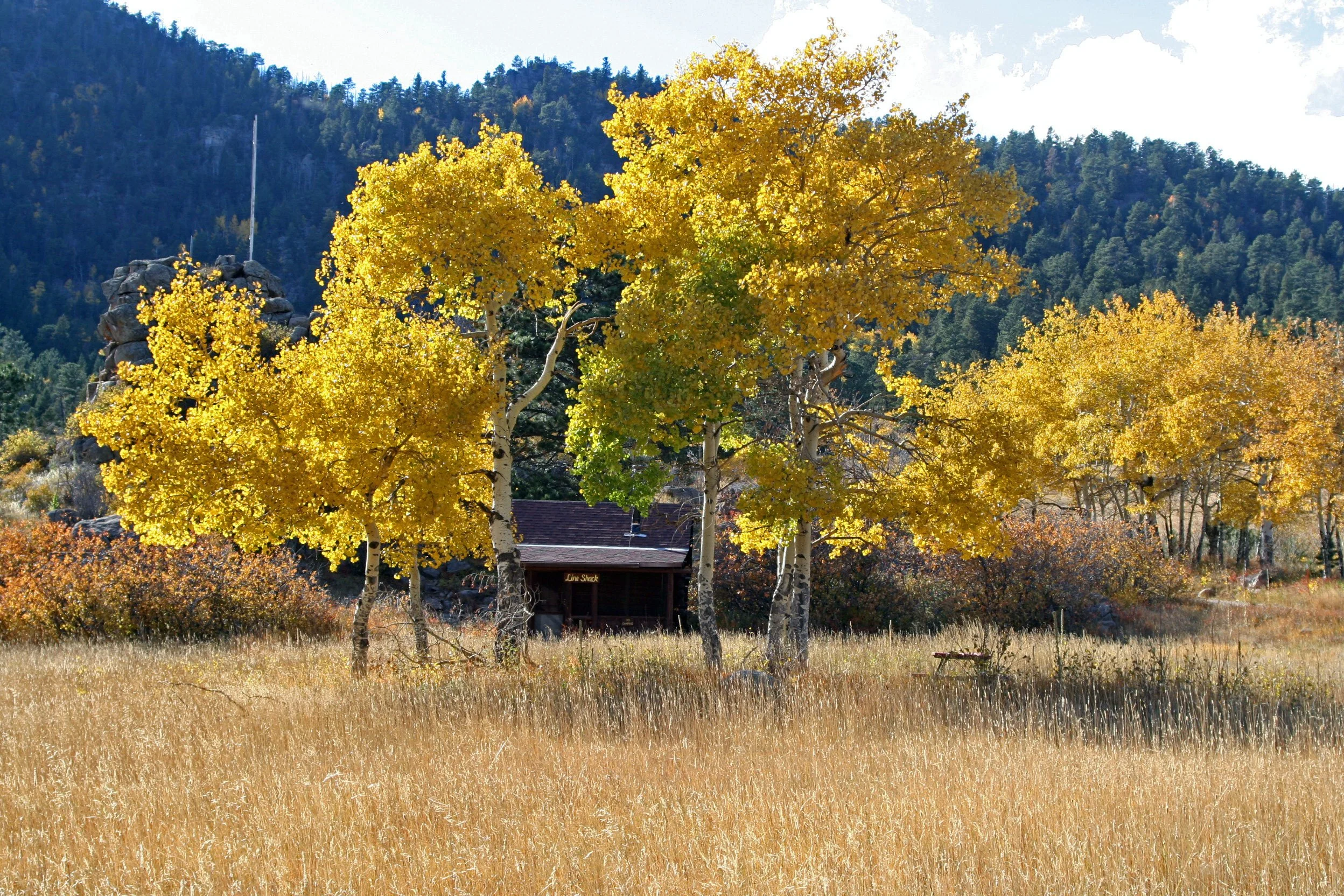
Hermit Park, Photo by Chris Fleming, 2007
In 2007, she got the chance to become Hermit Park’s first manager. After years working at the reservoirs, being on the ground floor of something entirely new felt like a different kind of reward. Without the Help Preserve Open Spaces sales tax, she knows the property would have been carved up into 35-acre homesteads.
Chris went on to become a District Manager for about 14 years before being promoted to Visitor Services Division Manager/Patrol Captain in 2021, overseeing the entire ranger corps, maintenance team, and Aquatic Nuisance Species (ANS) service. The tools have changed over time, with new technology, procedures, and processes. But the heart of the job hasn’t.
On a given day, that might mean talking to fishermen about what’s biting or giving an impromptu wildlife lesson, or simply driving through a campground with a smile and a wave.
Chris calls it proactive law enforcement, and she believes it’s where rangers make their biggest impact. “If you are present and catch people doing something right, or you connect with them before they do something wrong, it impacts everybody,” she says.
One of the biggest shifts Chris has seen over her career is how the entire Visitor Services team has grown and become more connected. That growth didn’t happen in isolation. As the Help Preserve Open Spaces (HPOS) program expanded over the past three decades, visitation increased and so did the need for a stronger, more coordinated presence on the ground. Visitor Services evolved alongside that growth, adapting to meet the needs of a rapidly expanding system and the people who use it.
“The day-to-day job really hasn’t changed,” Fleming says. “It’s getting out of vehicles and talking to people.”
That simple description belies the complexity of the work.
Visitor Services Team, 2024
Across Visitor Services, the goal is shared. The team works together to create safe, welcoming experiences while protecting the land. “It’s a team,” Fleming says. “The more we cross-train and understand each other’s roles, the better service we can provide.”
As the system has expanded through the success of the HPOS program, so has the range of experiences the team supports. Reservoir parks draw high volumes of visitors and often require a more active enforcement presence, while open spaces tend to focus more on outreach, recreation, and responsible stewardship.
Chris sees both areas as essential. “It gives a better portfolio of recreational opportunities and different ways to engage with the public,” she says.
Even after decades on the job, that perspective hasn’t faded. She believes the legacy is made possible through decades of community investment in conservation, one that continues to shape both the landscape and the way people experience it.
Chris grew up in a military family that lived all over the world and vacationed by being outdoors. That connection to nature shaped everything that followed. After 25 years, she still gets that same jolt of wonder. And when she reflects on what keeps her coming back, it’s not the wildlife or the landscapes.
Over her career, she’s supported evacuations and medical emergencies, knocked on doors she recognized, and helped neighbors she knew by name.
When asked if there’s one particular story that stands out, she says no. It’s a collage of moments and stories, and sometimes you don’t even realize the lasting impact. Often it is a lifechanging moment that can change the trajectory of a family forever.
“I think at the end of the day, it’s the moments where you know you showed up and made a difference for that person or that person’s family,” she says. “The ones where you made the difference between sending somebody home to their family or not.”
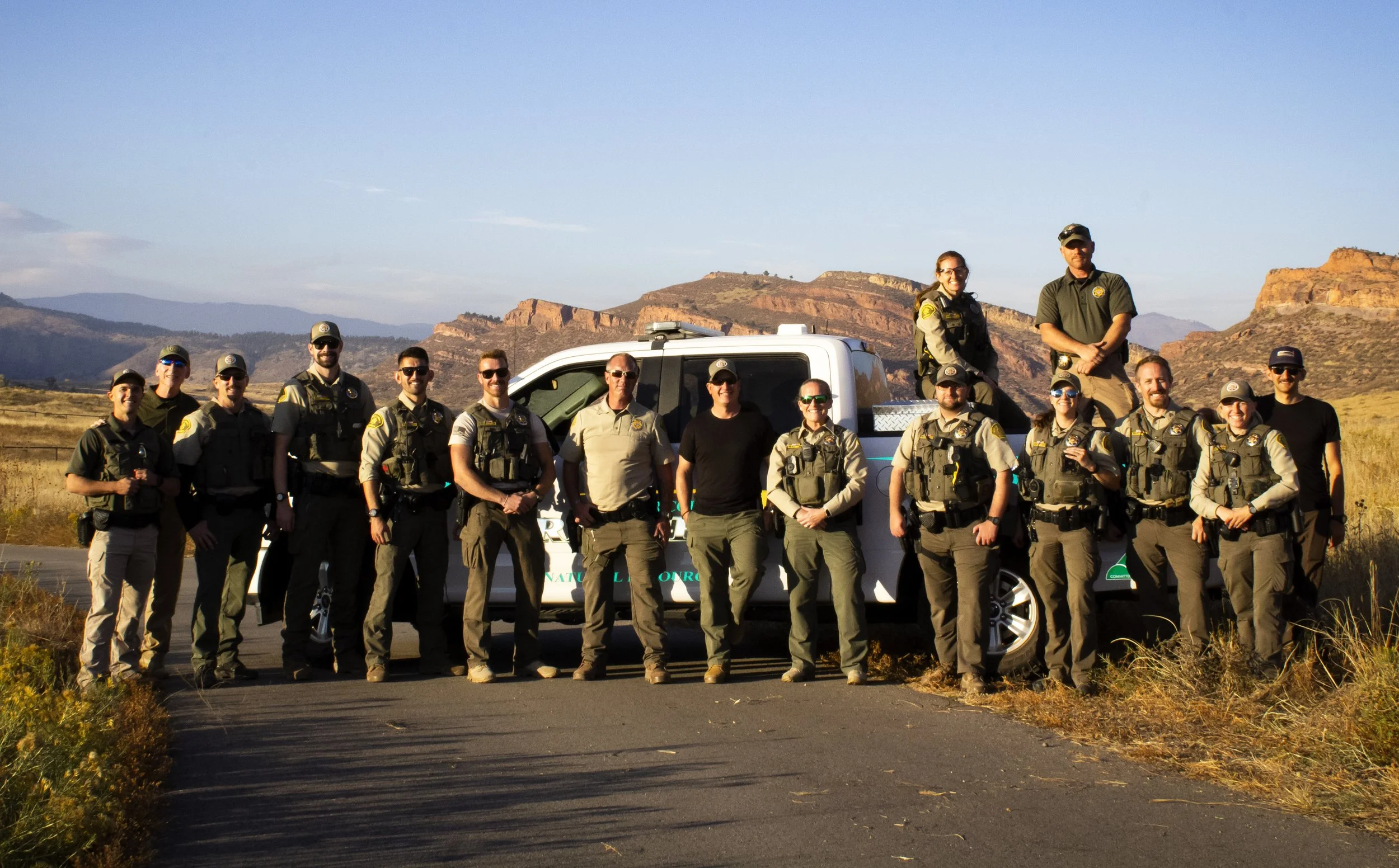
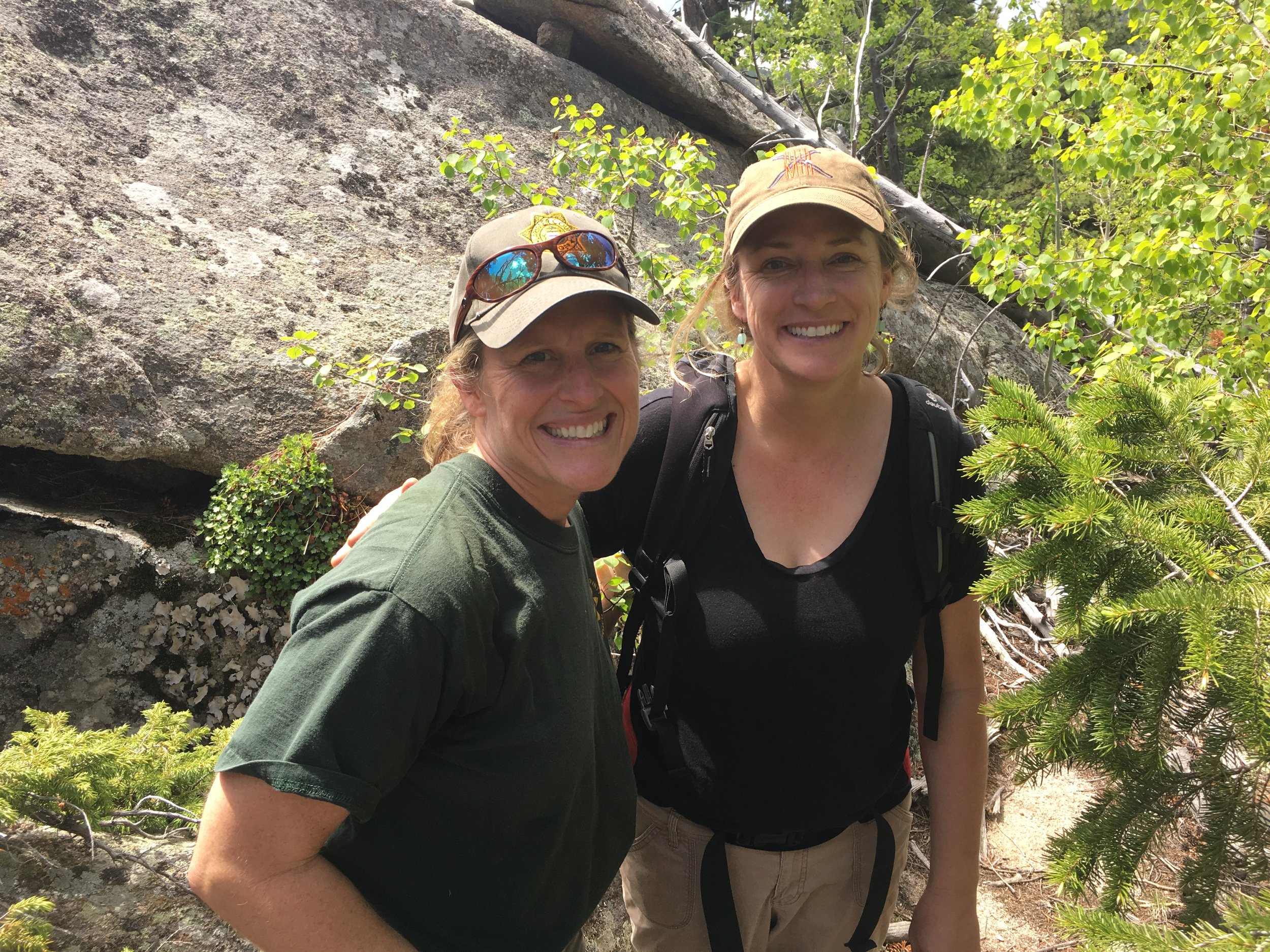
Larimer County Natural Resources Rangers, 2023