When estate taxes threatened to force the sale of his family ranch, Dan Miller began a decades-long conservation journey. Through strategic easements, creative financing, and HPOS partnerships, he protected parcels piece by piece, transforming an inheritance crisis into a multi-generational legacy.
Written by Dan Miller
In the mid-1990s my family was deep in discussion about estate planning with my father, Charles Miller. His wish was that we three adult children would inherit it, but sky-rocketing land values had a nasty downside. The property's paper value had increased so much we would have had to sell it in order to pay the estate taxes.
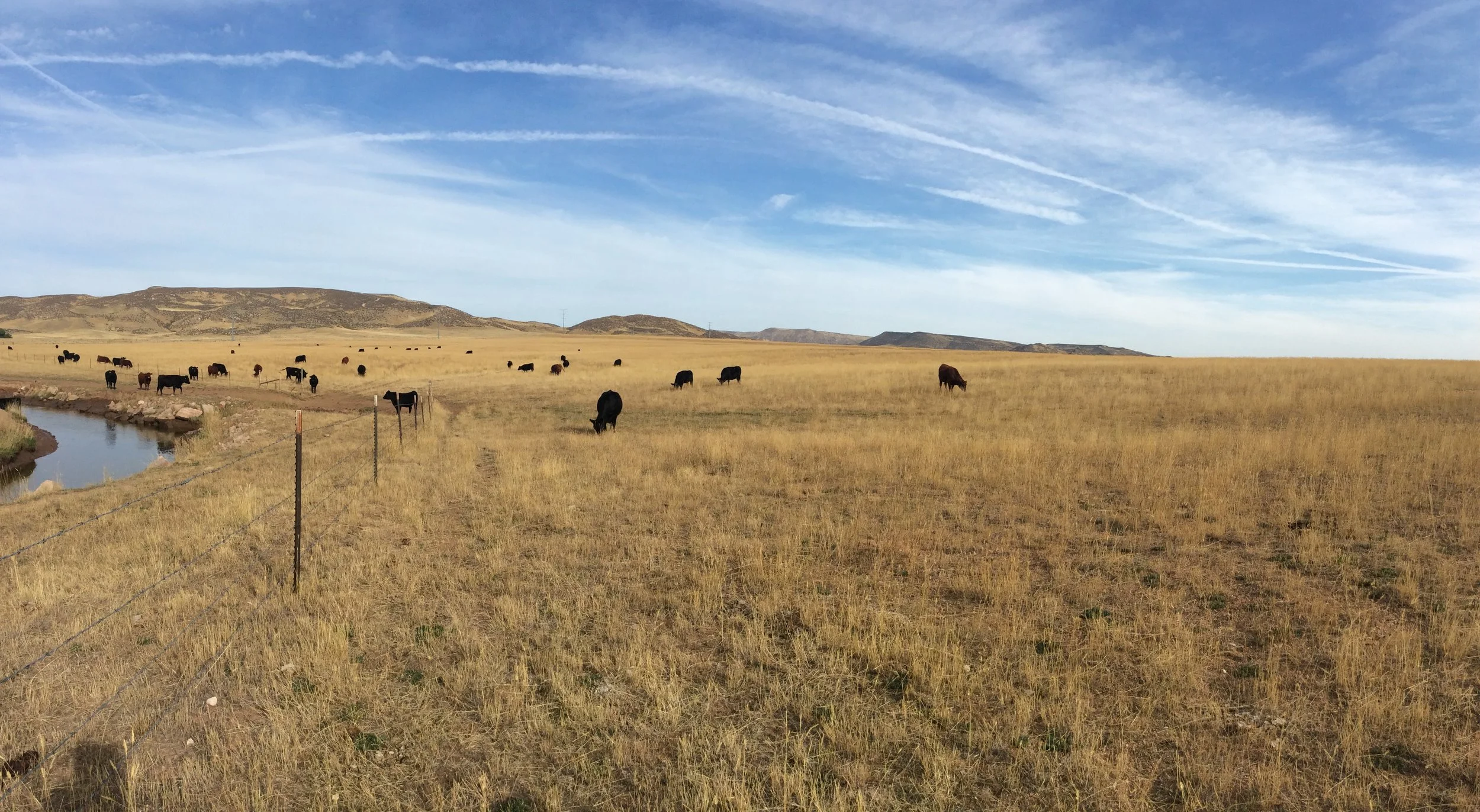
We began exploring alternative planning. One possibility was the use of conservation easements as a tool to reassess the ranch's value. It was part of the solution. Charles was able to see a realistic pathway to pass on his property. He was, however, very resistant to any deed restrictions on development rights. Since that is the foundation of a conservation easement, he needed further convincing.
My wife and I, in partnership with a nephew, placed a conservation easement on our own, separate property in 1999. It allowed us to see what monitoring visits and management plans were all about and whether restrictions on development rights actually affected us. Our results were all positive with Larimer Land Trust, a private 501c3, and the promised federal tax benefits were indeed something plausible. We were able to share a positive and very enlightening experience with my dad as well as surrounding ranchers. We were all facing issues with inheritance and the looming threat of agricultural land being taken out of production and turned into housing units and ranchettes.
In our research we found that, in addition to the Larimer Land Trust, there were other sources of funding that could help defray expenses associated with conservation projects. Since Larimer had an open-space sales tax program, we planned to ask for their help in our next project.
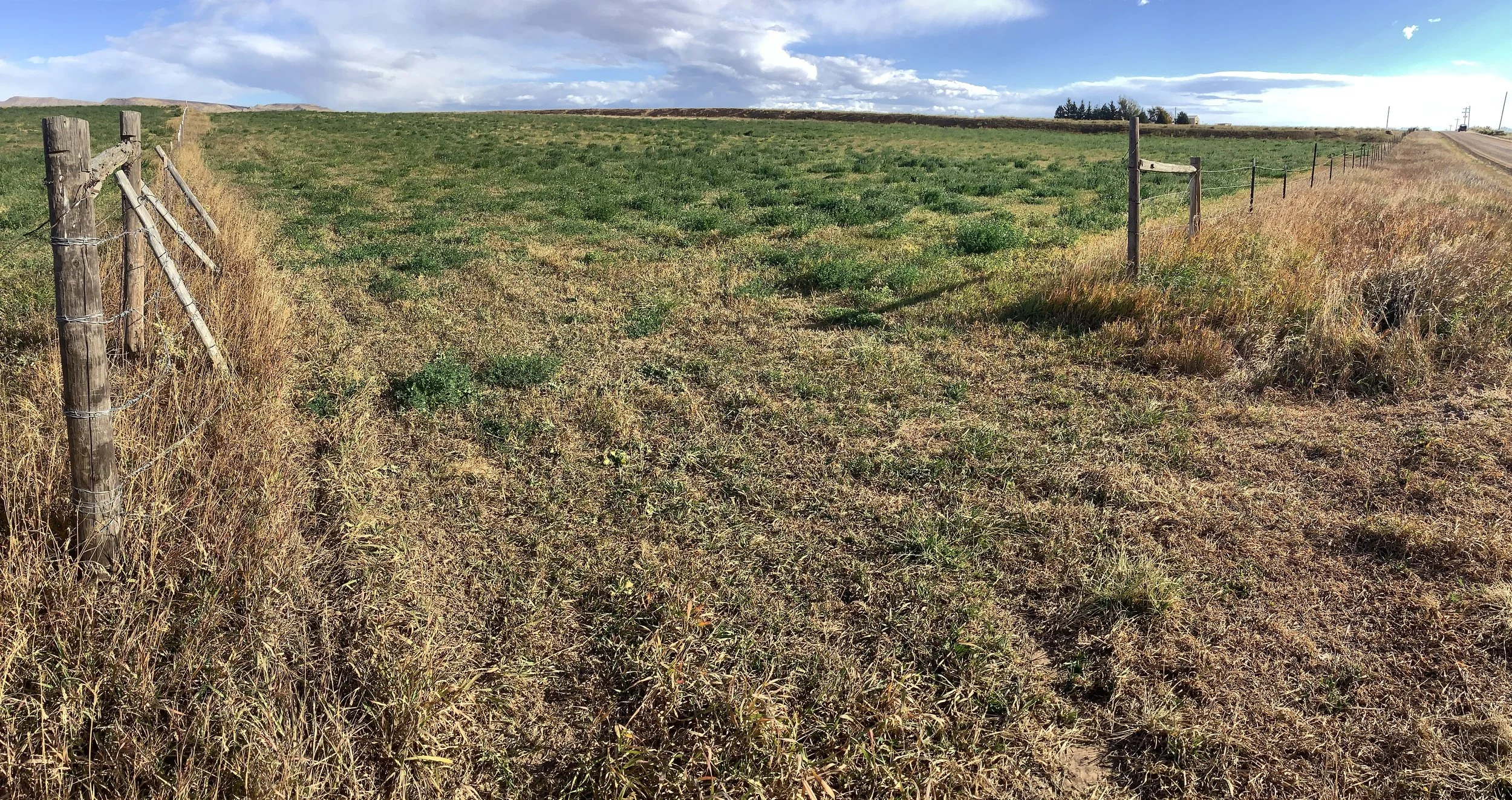
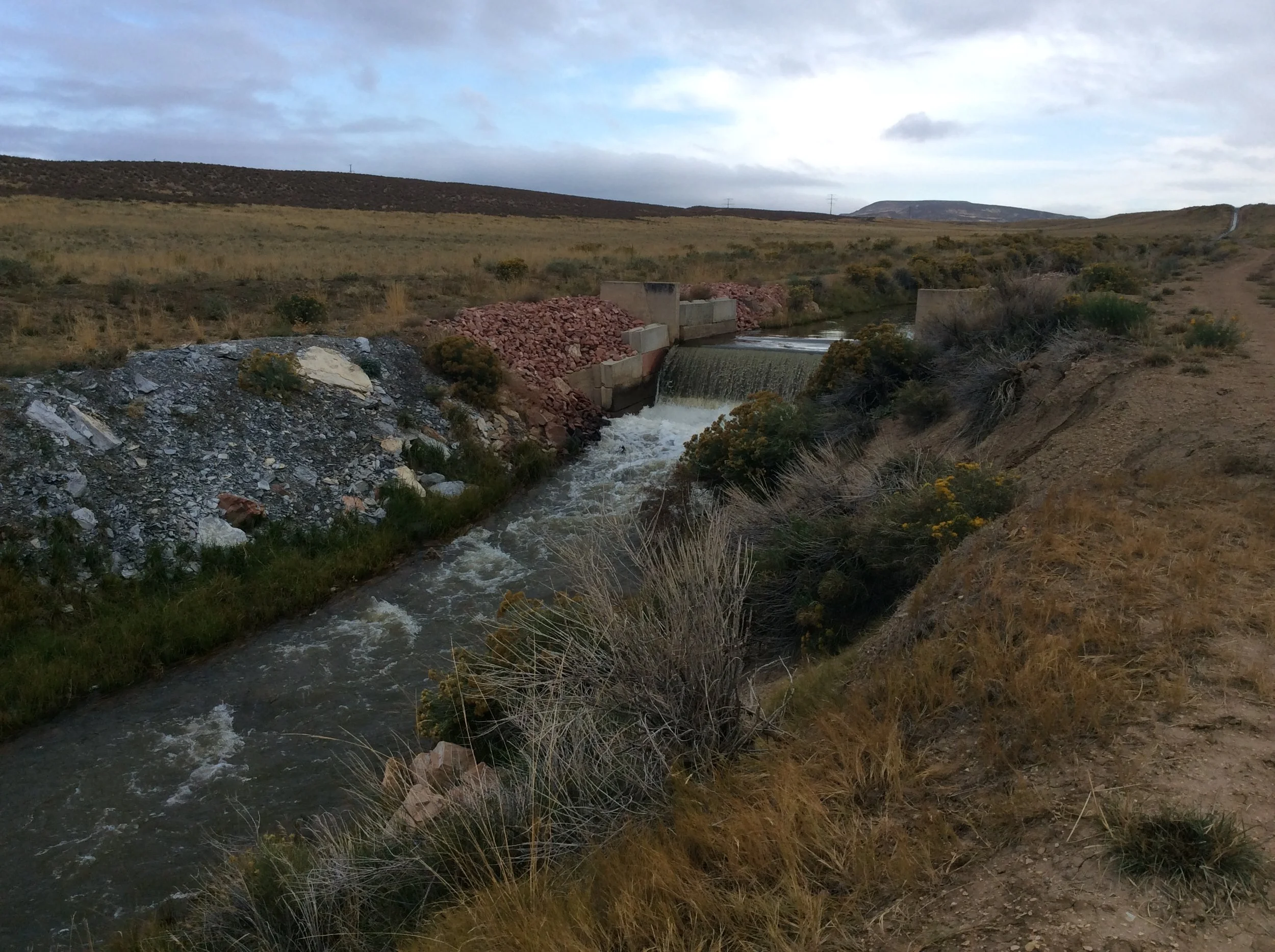
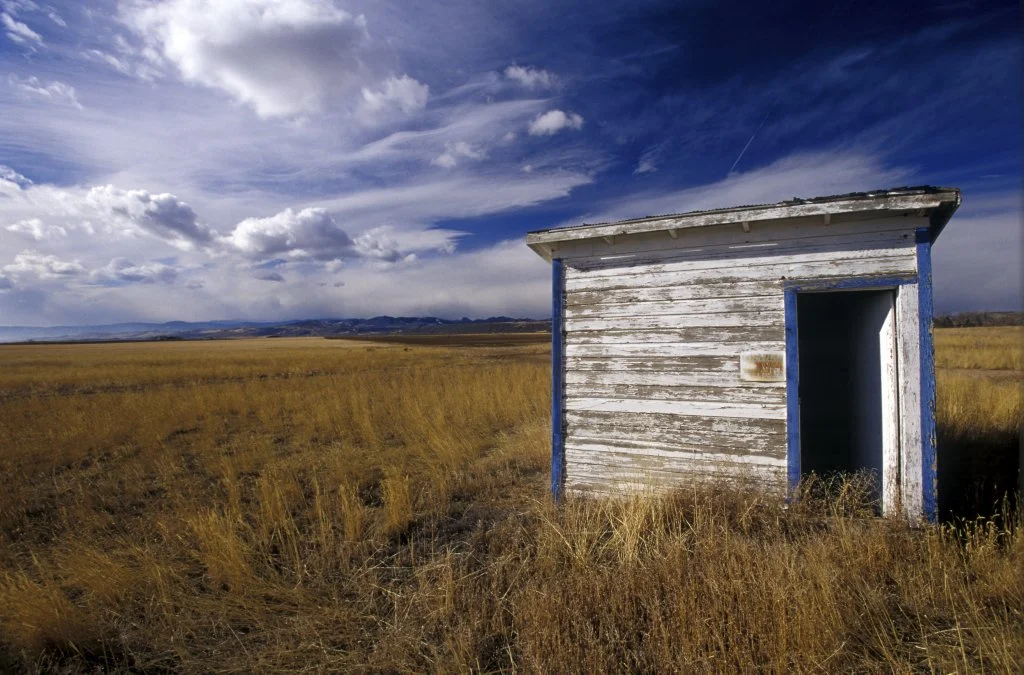
In 2000, we started talking with our neighbors and Great Outdoors Colorado (GOCO) about putting together a larger parcel to conserve. Our hope was that they would fund it by buying the easement outright. The Colorado Tax Credit exchange program was new and no one in our group had any experience with that process so the GOCO idea seemed pretty good.
In 2001 we closed a multi-ranch conservation project with GOCO and protected a portion of my dad's ranch from ever being developed. A check for Charles arrived from GOCO. He doubted it was real all the way to the bank because in his mind, he had not sold any "real" property and still owned his ranch. He still did, of course, but if someone is tough enough to make a living at ranching, you just let the money talk.
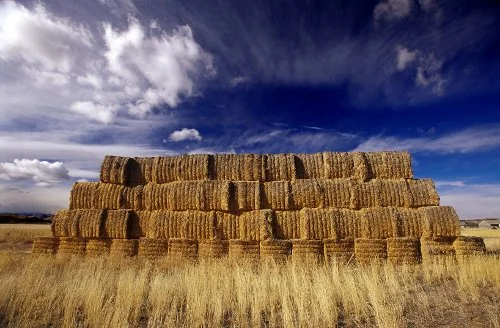
Photo by Walt Hubis
Our research led us to participate in several Larimer County seminars regarding land use and to a place called the Rural Land Use Center. As a result, we developed a Rural Land Use Plan for property owned by my wife and me. That was instrumental in seeing how that process worked and also devising a plan to sell Colorado Tax Credits for cash through the Conservation Resource Center in Boulder. We were able to reimburse ourselves for the expenses of participating in the project. Larimer County helped us along the way and we closed on that project in 2001. We were able to market the tax credits over the next 3 years.
Our next project involved using our tax credit money to purchase a property next to us and do a Minor Land Division to resell a small portion to fund our original purchase and expense of financing. Larimer County was able to help with covering the costs of placing an easement on the remaining acres. We staged sequential easements with the county to conserve the balance of that purchased ranch and we added acres from our existing ranch to make the values and size associated with the easements work out better.
More recently we were able to buy adjoining property for sale next to the family ranch at auction, conserve it, sell the tax credit to help recoup our costs, and go on to conserve more of the home ranch.
We are now working with Colorado Open Lands to conserve the last unprotected portion of the home ranch that we inherited after my dad passed away. We expect to complete it by the end of this year.
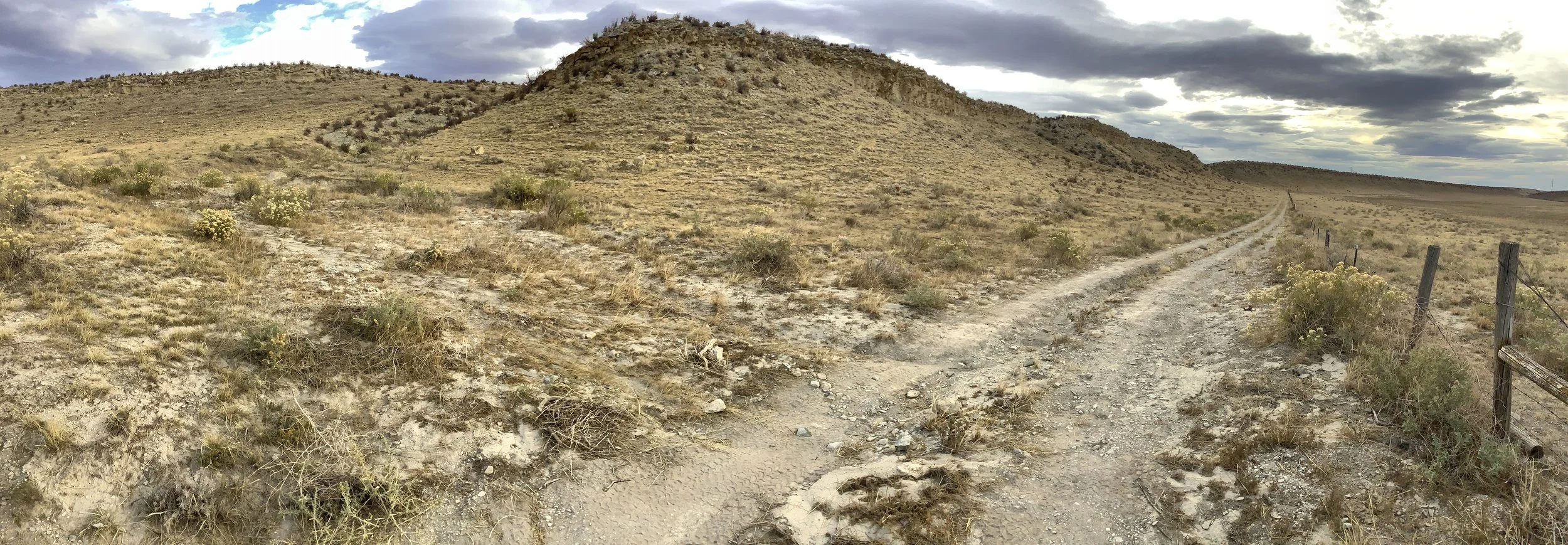
In all of the easements on family property over the years, the records developed through monitoring visits have been invaluable. They come complete with photos to document how the ranches have or haven't changed, what grazing and crop production yielded, and how well we, as stewards of the land, are accomplishing our goals.
Tax credit sales and grants through the Help Preserve Open Space program have helped us keep our ranches. They have created a pathway to pass our love of the land and work to the next generation of caretakers.