
Tom Keith
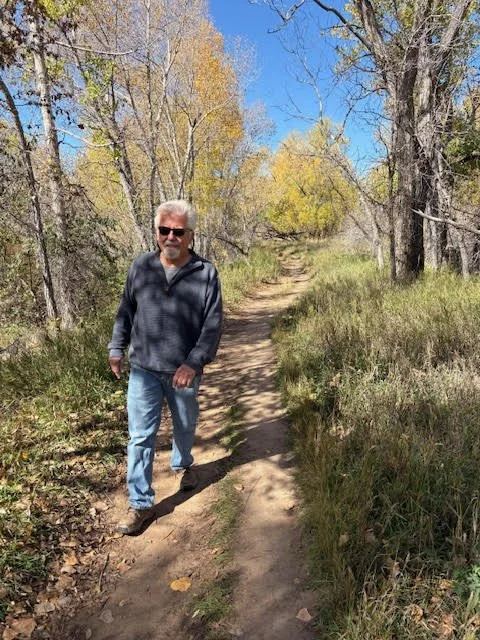
Tom Keith led the 1993 master plan recommending a sales tax, campaigned through 1994's defeat and 1995's victory, then chaired the Open Lands Advisory Board in its formative years, establishing landmark projects like Devil's Backbone and the Laramie Foothills conservation vision.
When and how did you first become involved with the Larimer County Department of Natural Resources, and what role did you play in advancing our open space efforts?
My first involvement with the Natural Resource Department began in the early 1990s. At that time, the department focused entirely on the four reservoirs they managed for recreation for the Bureau of Reclamation, but recognition of the need to protect other lands had begun to emerge.
This recognition took form in a 1993 parks master plan for the county, which was prepared by an EDAW team I led under the direction of K-Lynn Cameron. The master plan recommended that the county consider a dedicated sales tax for land conservation and management. A similar measure had recently been approved by voters in the City of Fort Collins, so it didn't seem too far-fetched to think that a dedicated sales tax might win voter support on a county-wide basis.
Estes Park Trail-Gazette, Nov. 25, 1994
Armed with the backing of the parks master plan and a healthy dose of optimism, I worked with a group of citizens that formed in 1994 to pursue the dream of a dedicated sales tax in Larimer County. Our dream was not realized that year, but there was enough voter support to believe that a revised measure could pass.
In 1995, we went back to the voters and the Help Preserve Open Space (HPOS) measure passed handily.
In some ways, one could say that the real work on a county-wide program began in 1996. HPOS provided for the establishment of an Open Lands Advisory Board. My involvement with county efforts to conserve open spaces continued through service on the Advisory Board, including serving as chair during the formative first years of the program, 1996-2002.
In those early years, our focus was squarely on land conservation. With the strong support of the BOCC and a shared sense of urgency, we implemented a remarkable set of landmark projects, including the Devil's Backbone, Long View Farm, Fossil Creek Reservoir, and many conservation easements.
Finally, some 20 years after my initial involvement with county land conservation efforts, I led the team that prepared Our Lands Our Future, a county-wide statistically-valid survey that defined a long-term vision for land conservation in Larimer County.
From your perspective, what is one of the most meaningful outcomes or accomplishments that the Help Preserve Open Spaces (HPOS) sales tax has made possible?
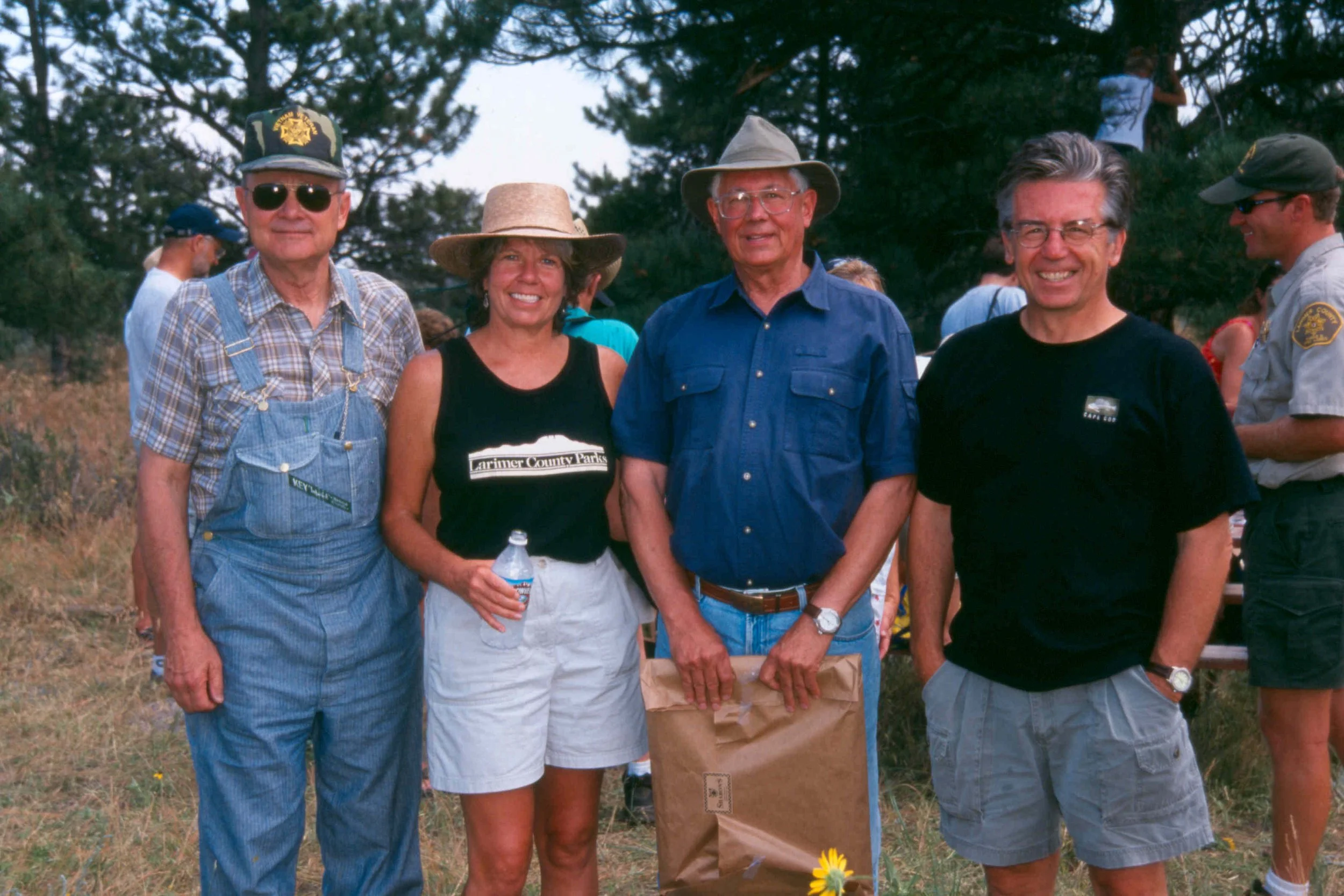
This is a difficult topic to narrow down; there are so many.
From a broad perspective, I think HPOS has fostered in our county a hope for the future that didn't fully exist before 1995. Prior to HPOS, it was all too easy to think that our county would inevitably lose many of its special places and that little could be done to protect them.
Though challenges remain, HPOS has allowed our region to build a conservation program that rivals any in the nation—one based on strong partnerships among the county's municipalities and with a variety of state and federal agencies.
The results speak for themselves: over 64,000 acres protected, and far more than that by partner agencies funded in part or entirely by revenues provided through HPOS.
Along with these tangible results come a variety of other beneficial outcomes, including a land ethic rooted in an appreciation of conserved lands. Our residents own these lands, and through this ownership they have a stake—most want to take care of our open lands and, by extension, the landscapes and resources of our beautiful county.
Whether considering Red Mountain Open Space, the Roberts Ranch Conservation Easement, or several other properties, HPOS gives landowners options for protecting their legacy and keeping lands in agriculture or other conservation uses.
Is there a memory or moment from your time with LCDNR that stands out as especially powerful, either personally or for the community?
I've lived in Larimer County for over 50 years and spent many weekends roaming its backroads.
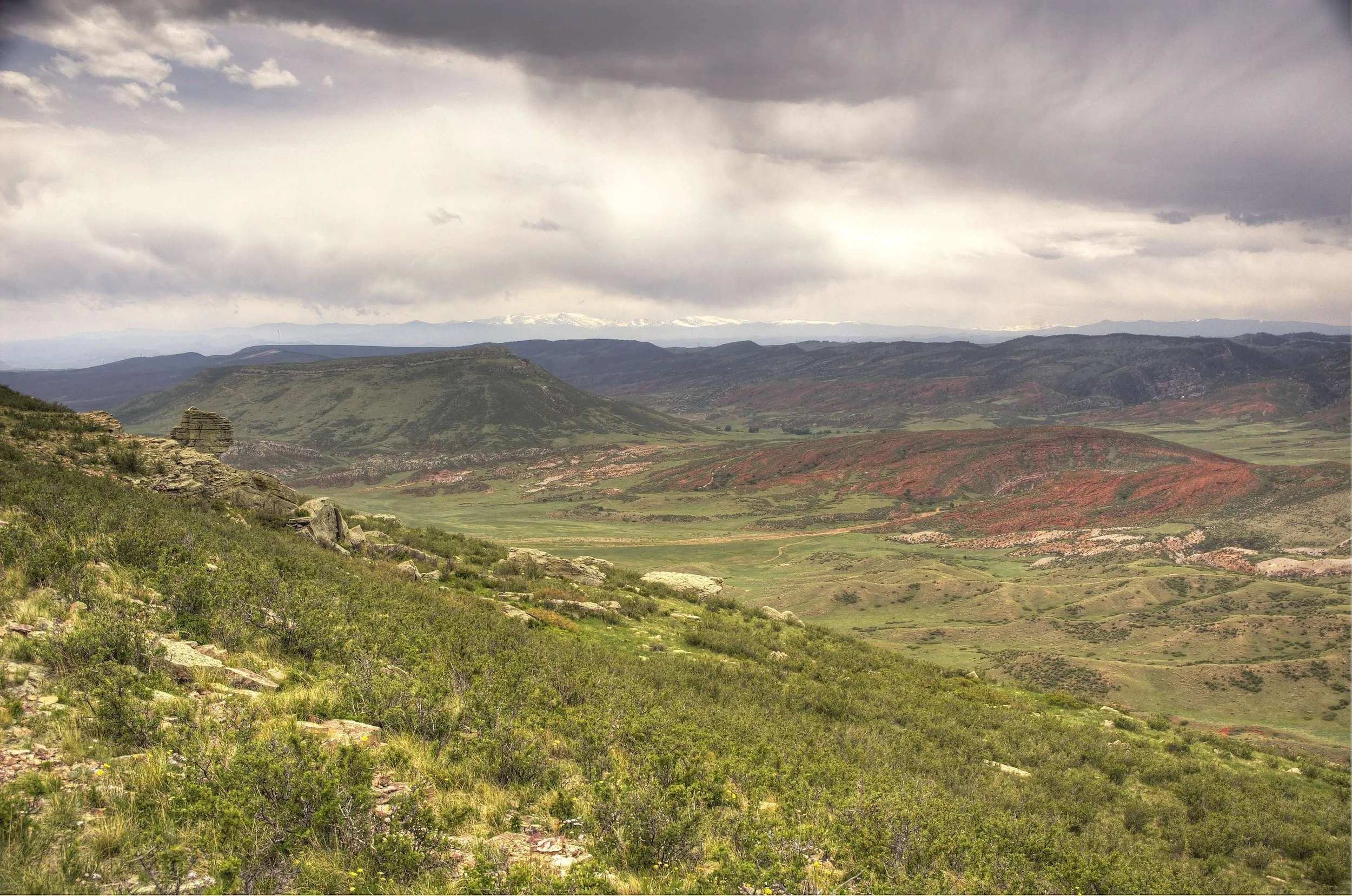
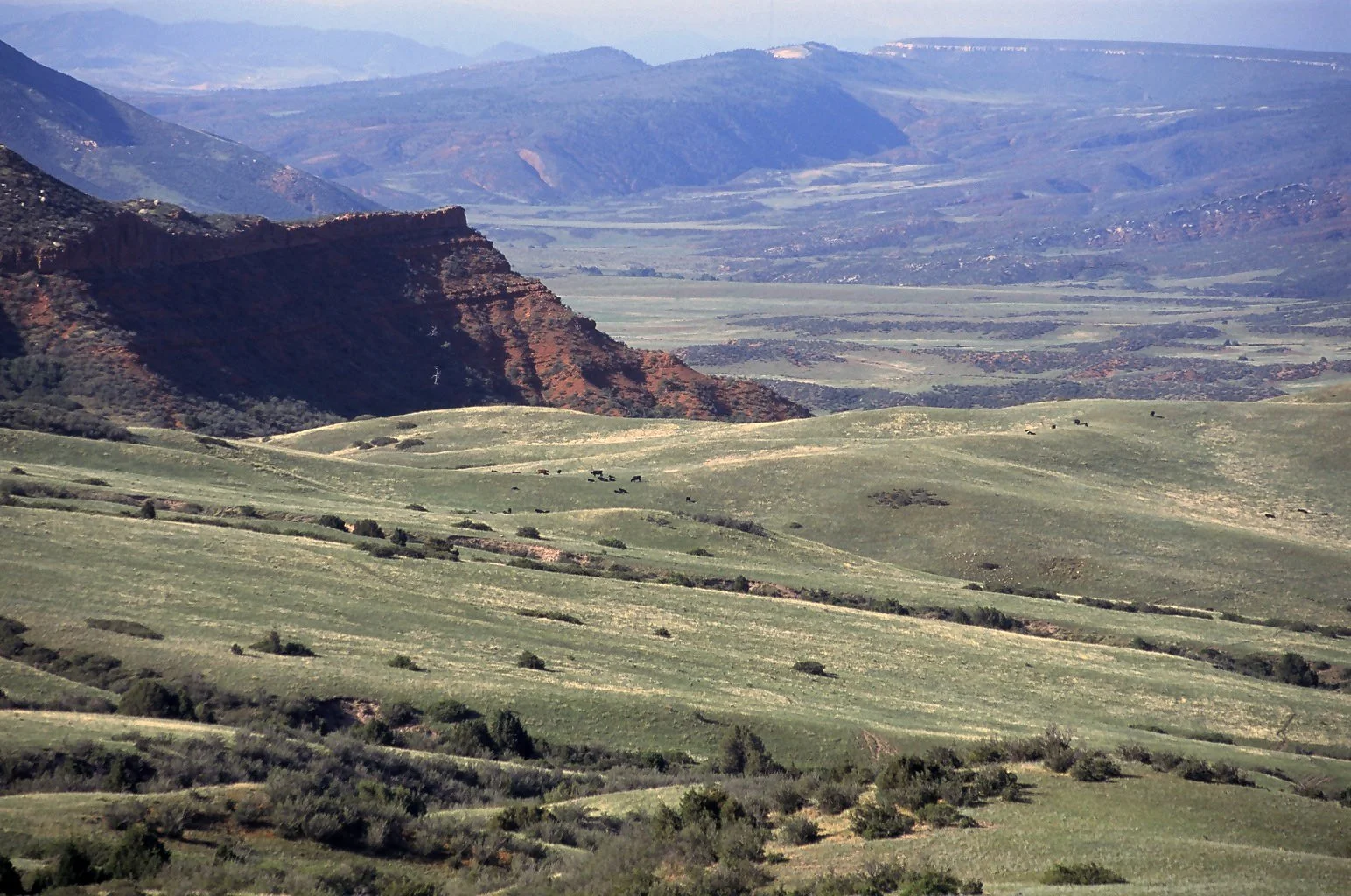
Despite that, I hardly knew the remote and rugged country we now call the Laramie Foothills until we began work on the first HPOS campaign. While searching for landscapes to illustrate our campaign literature, I roamed through the area and was dazzled by an intact landscape unique on the Front Range—a place where the plains meet the mountains in a way that would allow a time traveler from frontier Colorado to think things hadn't changed all that much.
I dream of places like this. To have had a hand in its conservation is to live that dream.
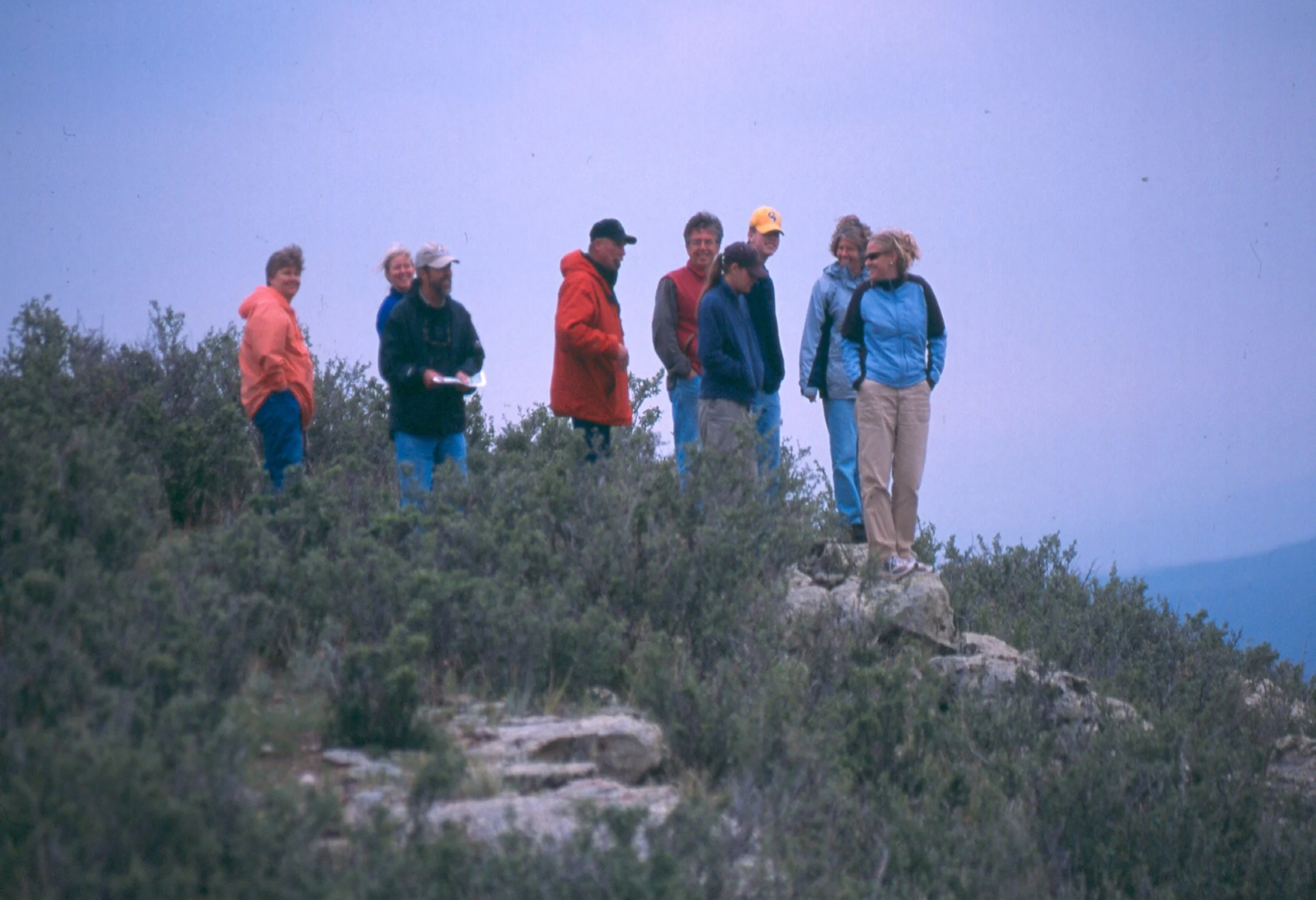
GOCO trip at Red Mountain Open Space, 2004
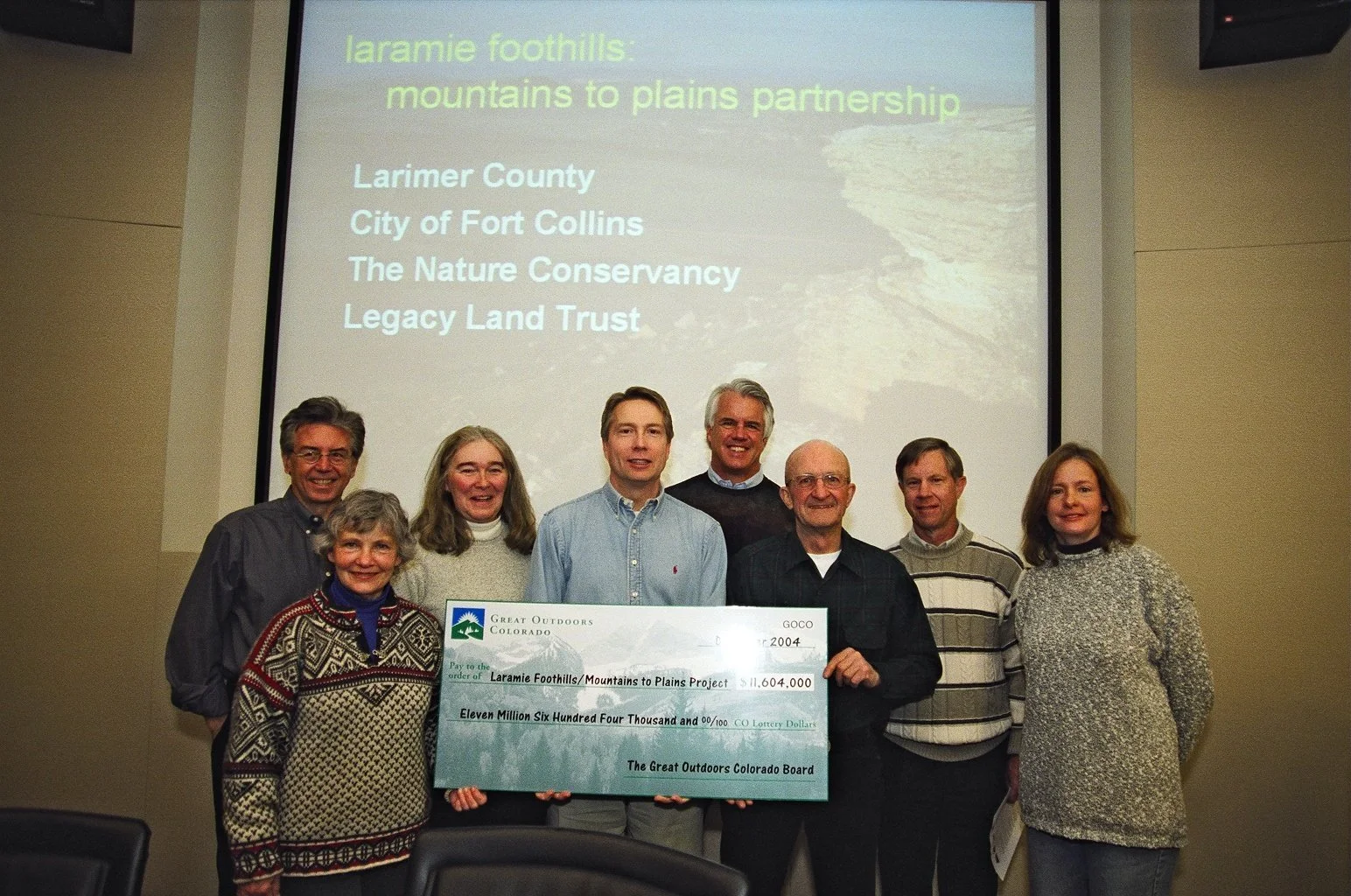
Not long after HPOS passed, we turned our attention to the Laramie Foothills and developed a conservation proposal for the area.
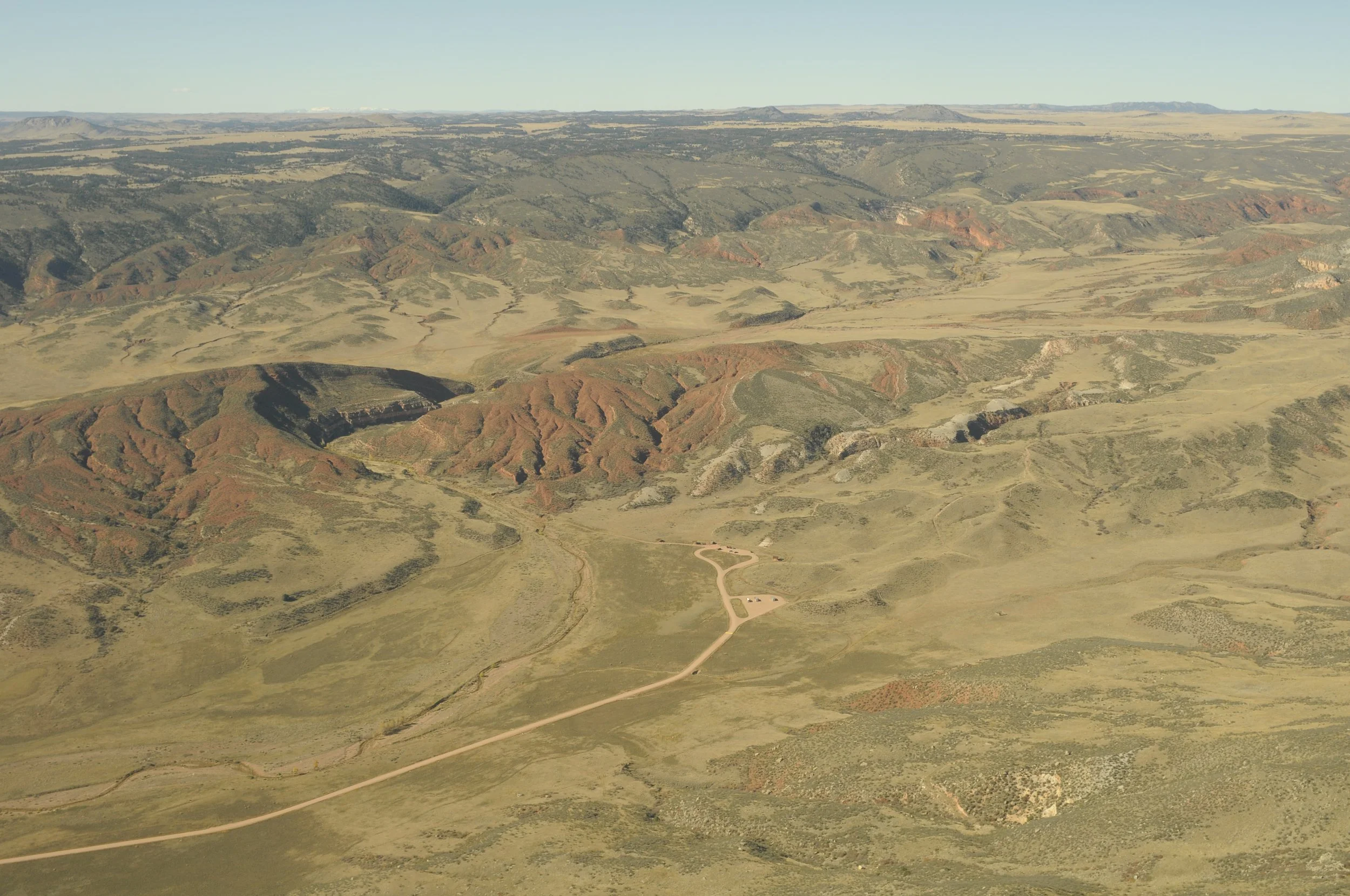
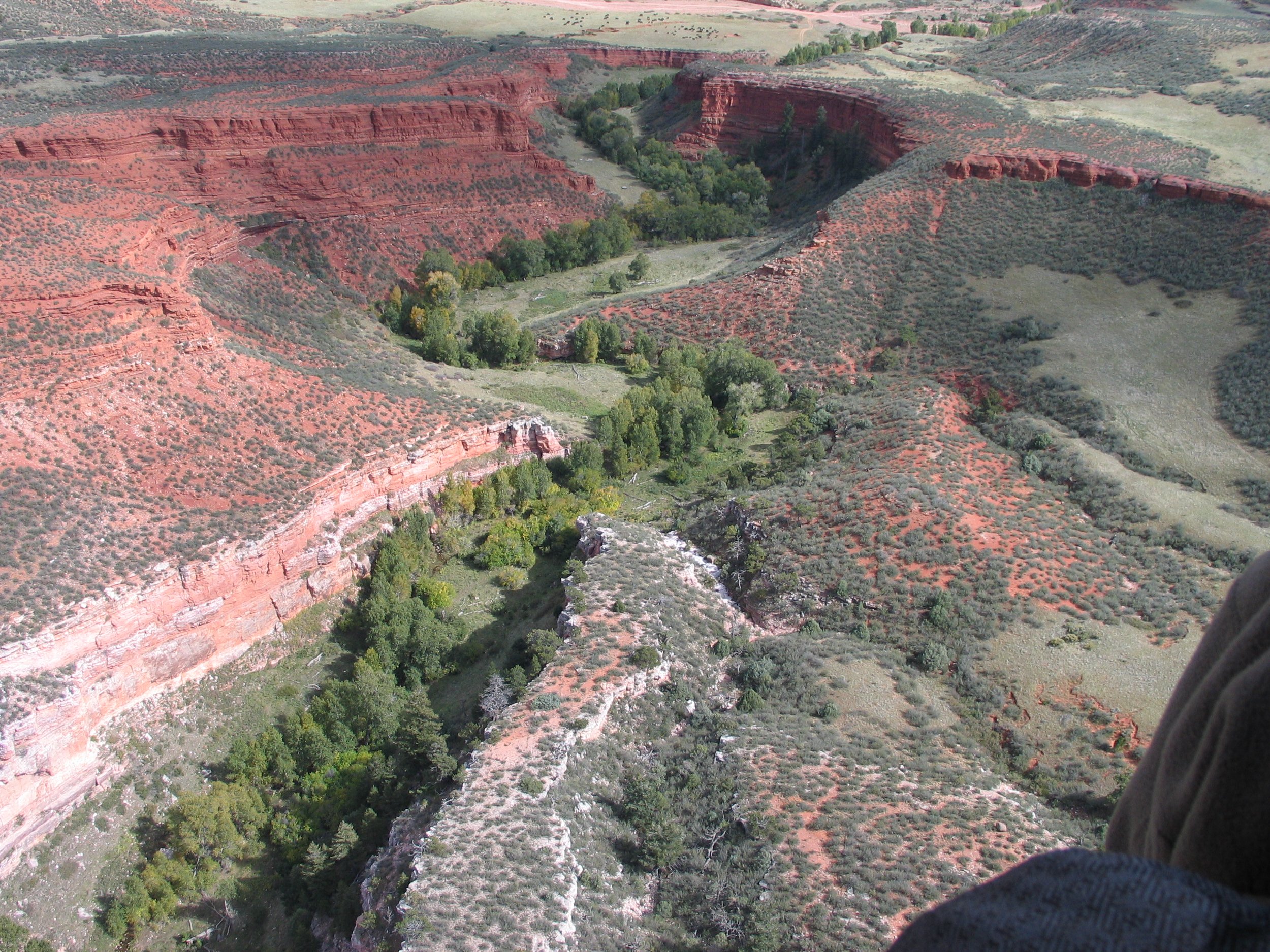
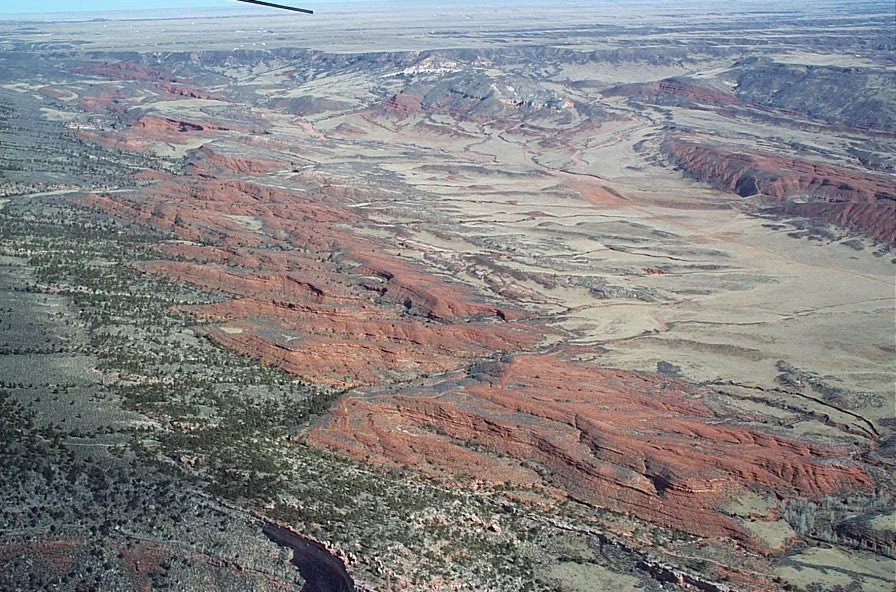
Larimer County staff did the heavy lifting, but I joined the team that met with GOCO and toured the area, including a helicopter tour of Red Mountain and the surrounding landscape.
From the air, the land sells itself; the magnificent canyons and striking red rock outcrops silently scream, "This is a conservation priority."
Even so, the competition was fierce and we didn't know what to expect. The GOCO Board members' reaction to the setting—despite their best efforts to appear unbiased—was heartening.
I truly began to think we had a shot at a major GOCO grant and with it the opportunity to realize a conservation vision on a scale unprecedented in Larimer County and most of Colorado. I still savor those memories.
How have you seen Larimer County residents, families, or visitors benefit from the protection, restoration, and enjoyment of open spaces?
I touched on one of these benefits earlier: how HPOS has nurtured a conservation ethic and allowed Larimer County to chart a different future from many other Front Range communities.
More directly, I've spent enough time on Larimer County open lands to witness firsthand the delight these areas bring to visitors. Families with young children, groups of fit, young trail warriors, and seniors like myself all share a love for these places.
There's plenty of data showing how open lands contribute to human health and quality of life in meaningful and even monetary ways. But nothing is quite as tangible as watching children beam at the sight of wildlife or giggle with glee at the feeling of a cold stream on bare feet.
It's gratifying to know that these lands—places where my children played and began to learn about nature—will be there for generations to come.
What message would you want to share with future generations about why conserving and stewarding lands in Larimer County is important?
As we face a future with more people, greater resource use, and fewer chances to conserve large intact areas, Theodore Roosevelt's wisdom rings true:
"It is not what we have that will make us a great nation, it is the way in which we use it."
While conserving additional lands should remain a priority, land conservation efforts will increasingly need to shift toward protecting "what we have."
Just as crucial is recognizing that restoring formerly critical habitats and important landscapes may be our best path to an optimum conservation vision for Larimer County. This could mean restoring disturbed lands that were once shortgrass prairie or riparian areas with towering cottonwoods.
Whatever form it takes, we have choices to make—and those choices will be strengthened by our ability to access the funds HPOS provides.
Photo by Tom Keith, Laramie Foothills Landscape, 2000