The Long View
Staff reflections from a decade or more of protecting the places we love
Written by Liz Munsterteiger
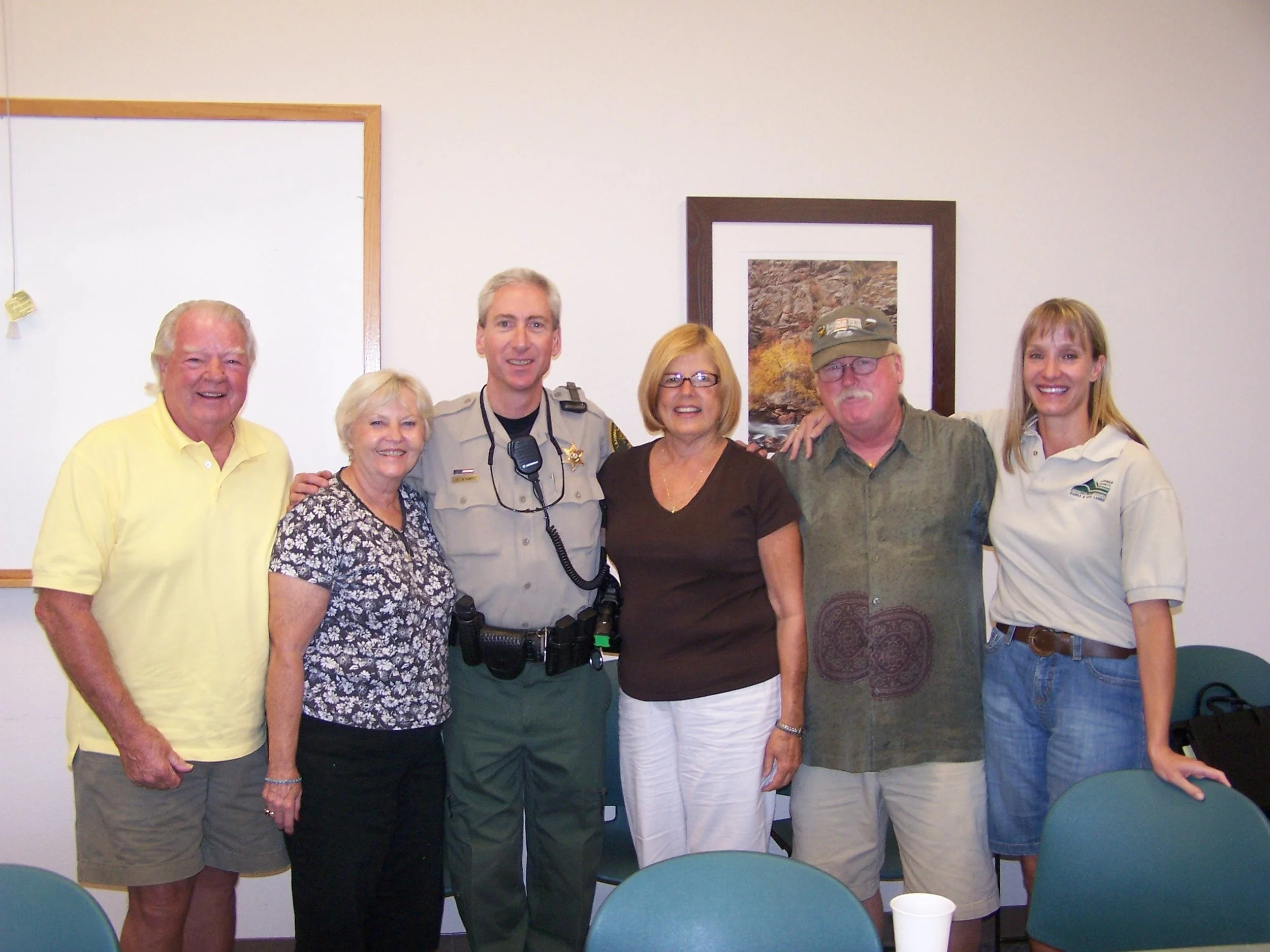
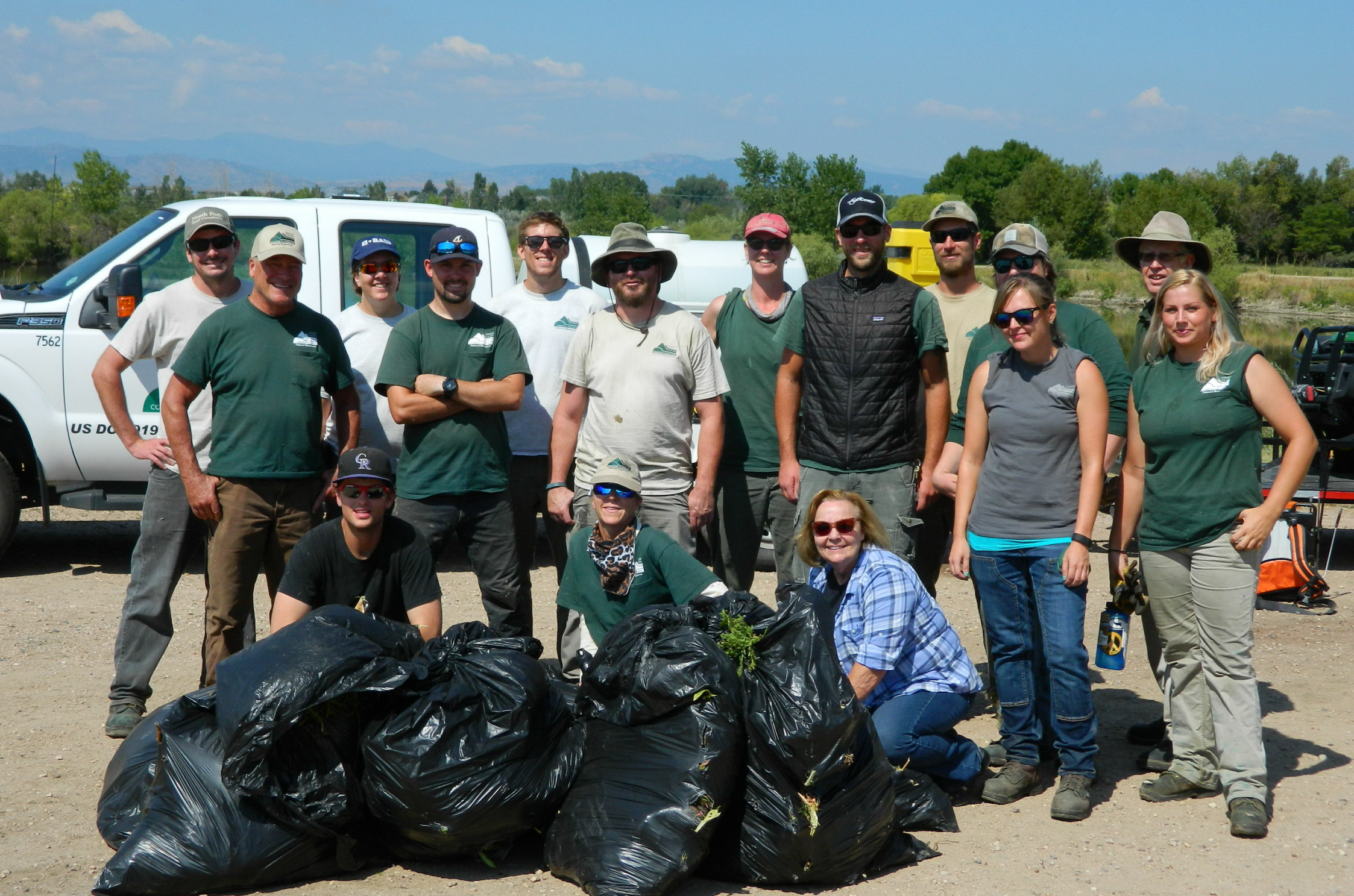
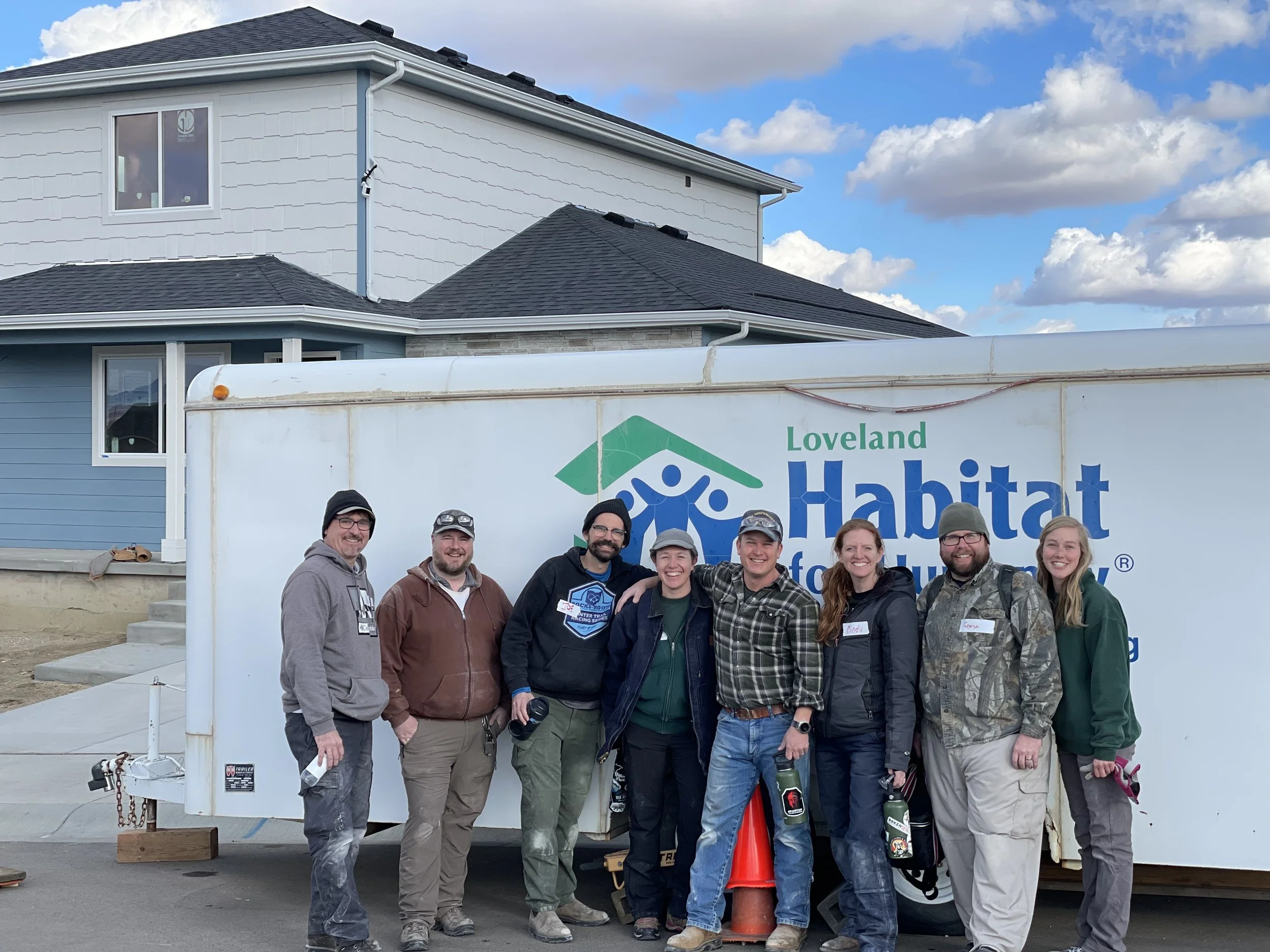
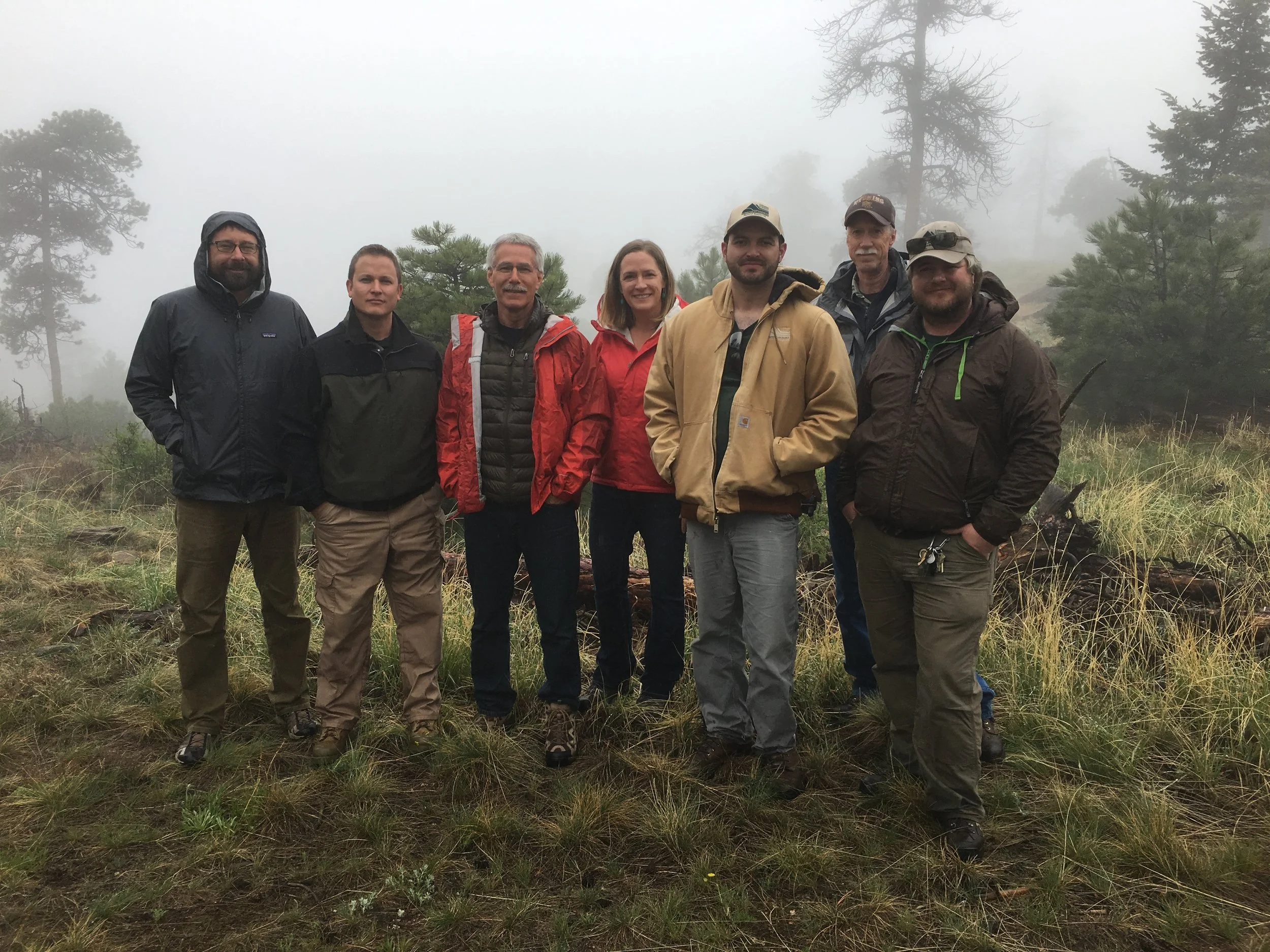
Larimer County Department of Natural Resources Staff, 2022
Some people build careers. Others build something that outlives them.
Over the past three decades, the Help Preserve Open Spaces sales tax has conserved thousands of acres, restored native habitats, and opened trails that connect communities to the landscapes they love. The current team members featured in our final ‘30 and Thriving’ profile story have dedicated a decade or more with the Department of Natural Resources. They came for different reasons and stayed for the same one: our collective work matters.
What comes through in their reflections is not a list of accomplishments, but something harder to measure. From a "the feeling of family here" to restoring what development left behind, to the simple notion of "Healthy and accessible natural spaces correlate directly with healthy communities."
And when asked why it matters, they do not talk about themselves. They talk about what comes next…
Visitor Services
Original hire date: 2004
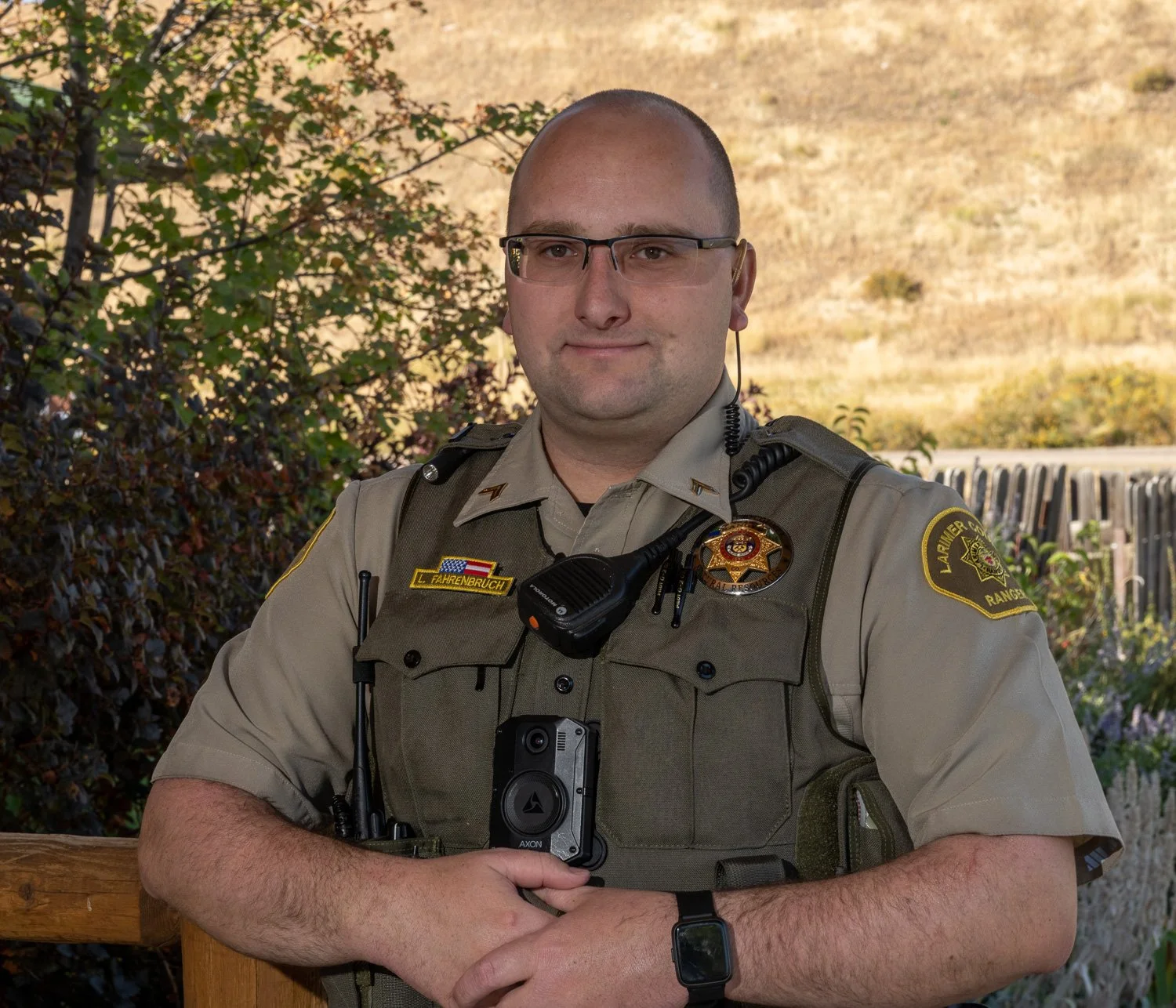
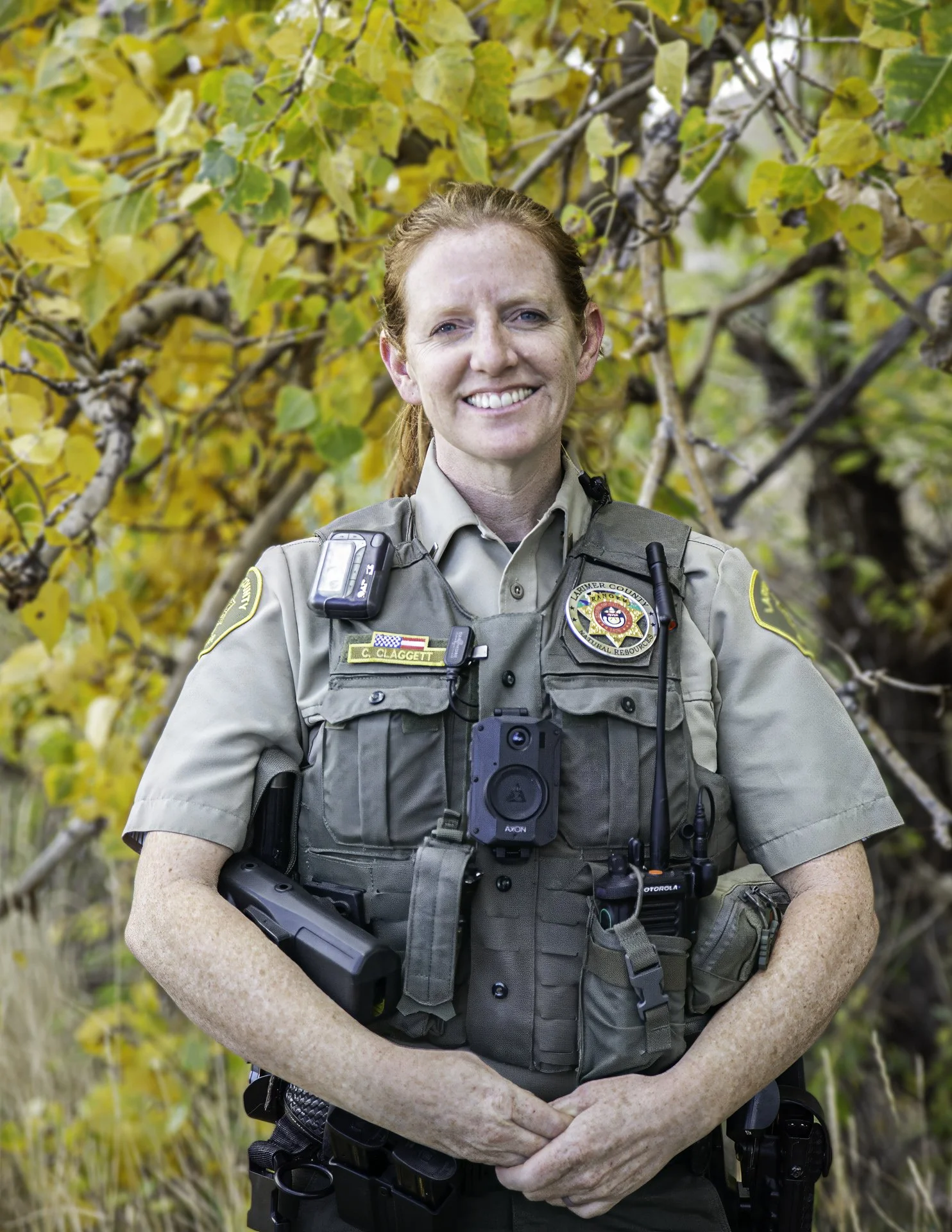
Cindy Claggett
Carter Lake Area District Manager
-
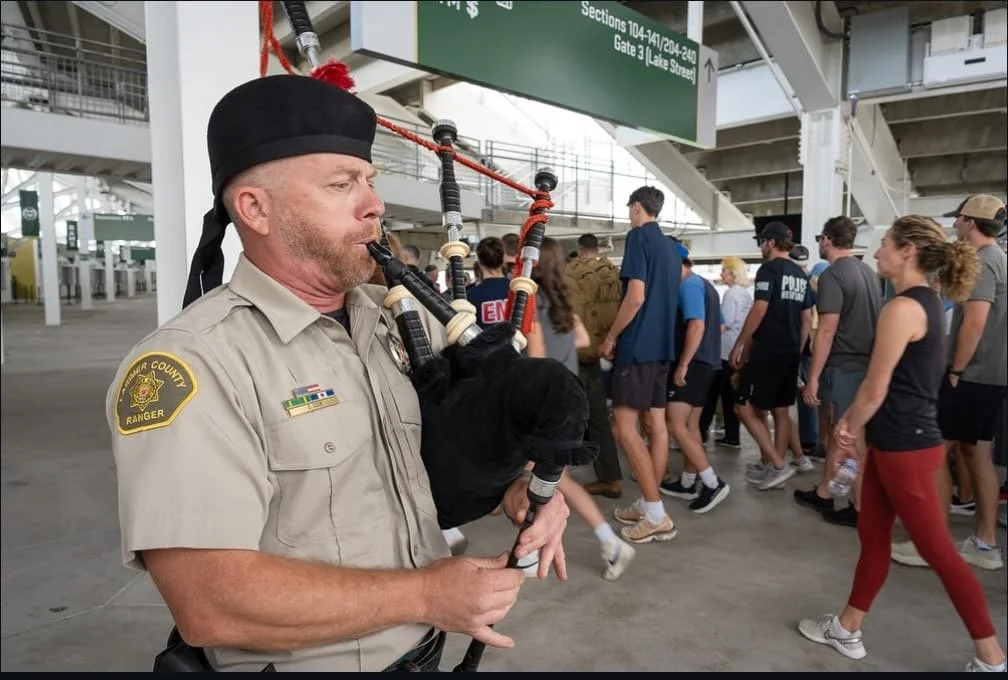
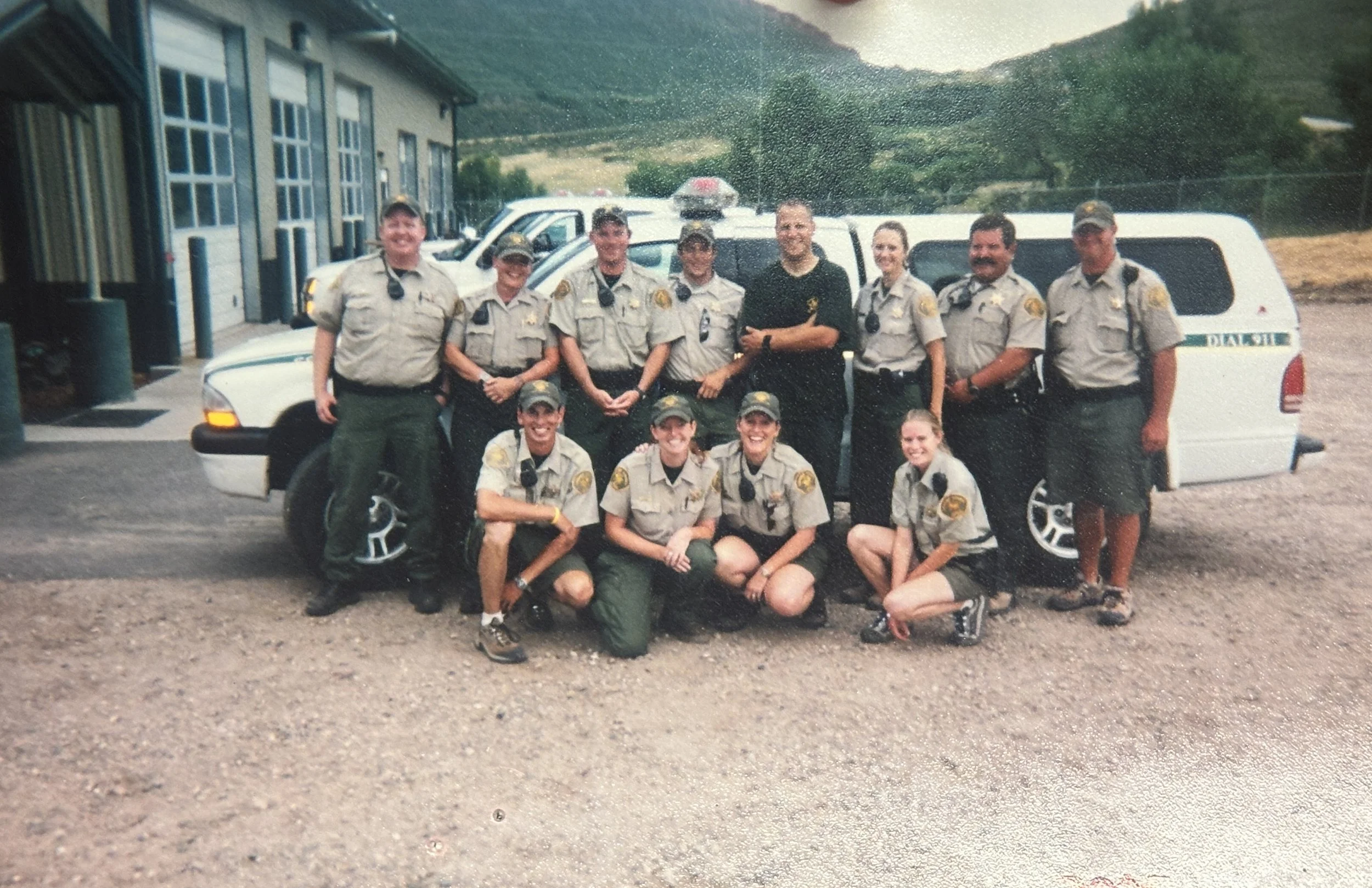
I was hired as a seasonal ranger in October 2004.
Winter seasonal positions were extremely difficult to find, and I was the only one at Carter at the time. Chris Fleming hired me…haha… sucker!
By summer, I was training the new rangers. I was hired by Colorado State Parks in September 2005 for a full-time position, but one thing stuck with me about Larimer County: the feeling of family. I didn't get that with the state, so when a full-time position opened up here, it was an easy decision to come back.
I was hired as a full-time Ranger in October 2007.
Since then, I've been honored to be part of abundant growth and change. I saw us evolve from selling cash camping permits in the field to moving to an online reservation system.
We went from training seasonal rangers on nights and weekends for a month before Memorial Day, to hosting our own week-long ranger training, to opening it up to other local governments struggling to train seasonals with limited budgets and staff. That's how Ranger Excellence School was born. It's still one of the things I'm most proud of that our agency does—impacting a small but proud ranger family across the nation.
Teaching is something I excel at individually and am passionate about. I get to do less of it every year as my training responsibilities shift, but I work it in when I can.
We used to have "clunkers" for vehicles—all different makes and models. I remember one burning to the ground because a mouse chewed the wrong wire! Even so, when I started as a seasonal, I was impressed with the vehicle fleet. After working at the state, I was grateful that maintaining our vehicles was a priority. It had to be! The distances our rangers traveled couldn't be covered any other way.
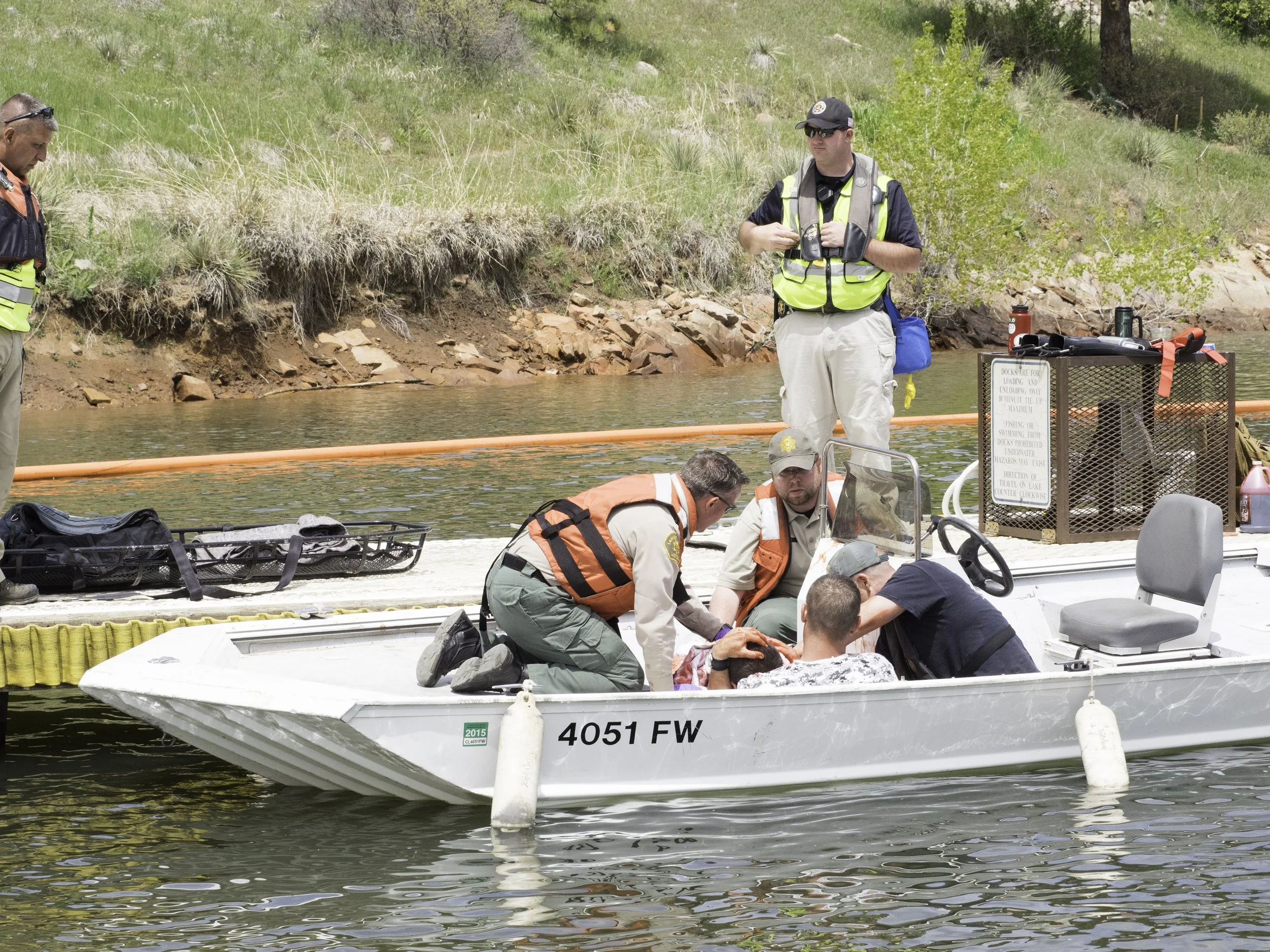
I even saw pride in the boat program develop over time, and now the state recognizes us as a leader in our role.
I remember when I was a seasonal and Chimney Hollow was supposed to open in 2009. Vic Wilcox was one of the full-time rangers then, and I loved that he would take us back to Chimney Hollow to "inventory"—a magical break from the hum of boats on Carter Lake and the varying levels of craziness. We'd escape to this beautiful, quiet, hidden valley. Occasionally, we'd get lucky and spot a herd of elk or a black bear, adding them to our "inventory."
I have fond memories working with several of the people featured in your 30 in 30 story highlights, and I'm grateful you showcased their legacies.
We've grown in numbers, but one of my favorite things about our department is how we work together across teams. That collaboration has always been strong, and I've always valued it. No matter my position or district, I've never felt separate from the system that we are.
I've worked in all districts, though not all properties. I think the only areas I haven’t officially worked are Red Mountain and Eagle’s Nest Open Spaces
The pride I have in this program comes out regularly whenever I hear how much developments are growing and how many people there are now in Larimer County. I proudly describe our community responsibility to prevent the never-ending city.
I point out the properties we have and continue to pursue to keep open spaces available—to keep providing public spaces for people to enjoy so close to home. It's nearly impossible to get back what we lose for public enjoyment, so I truly value the impact we've made.
Traveling to other places, states, and countries really shows you how rare it is to have so much public land at the level of beauty and value ours offers. Other places wish they had what we have and wish they'd had the forethought to preserve or conserve spaces, because once it's gone, it's likely not coming back.
The wildlife and ecological diversity we protect is also rare. So many other places have to build "greenbelts" and plant trees on bare ground just to bring something to their community. We're so lucky to be where we are and have what we have.
I always understood it was far more expensive to keep lands undeveloped and uncommercialized than to sell them off to the highest bidder for private development—and it was always worth it to me to pay for a permit if it meant preventing that.
Land Conservation & Management
Original hire date: 2008
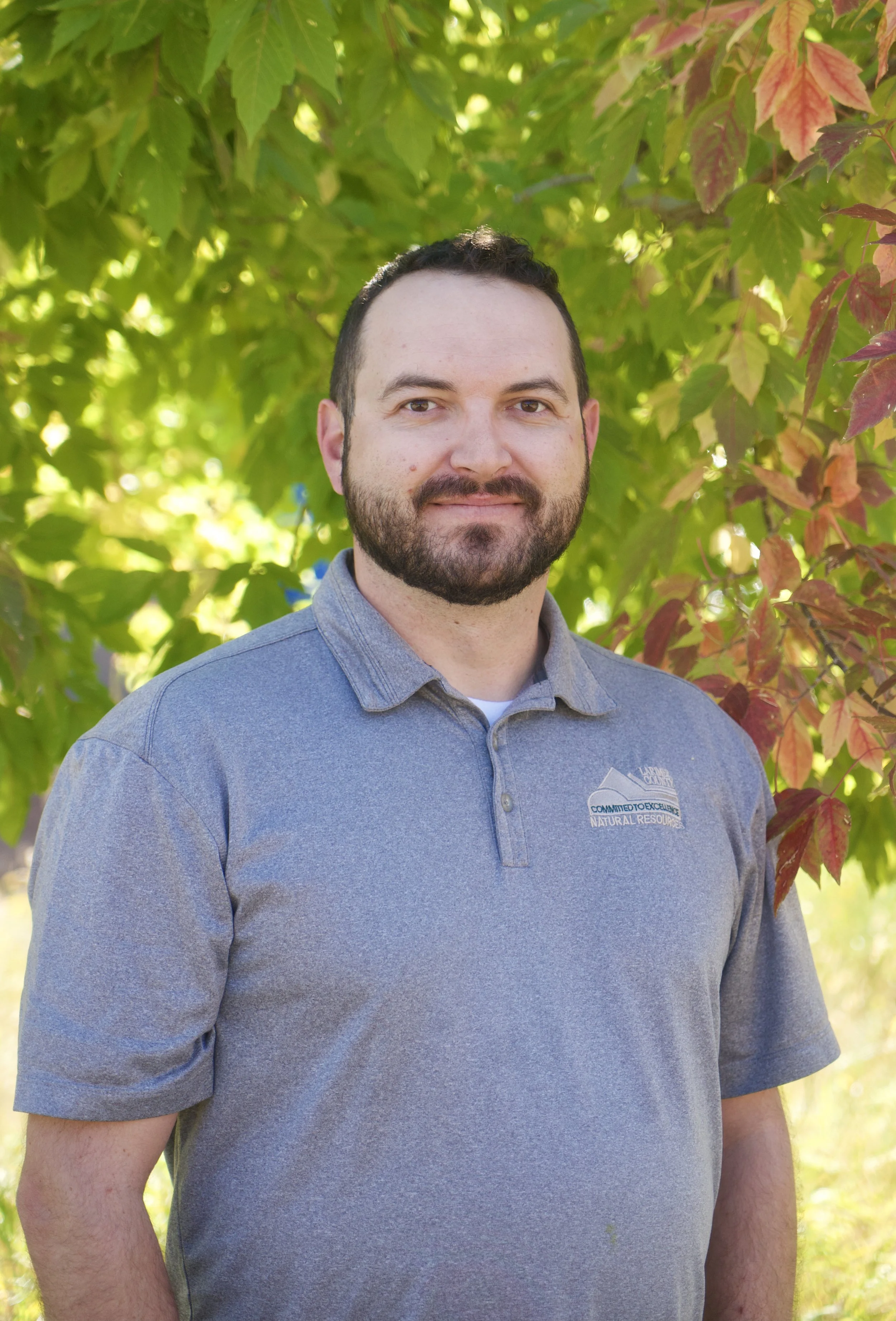
Casey Cisneros
Land Stewardship Manager
-
When and how did you first become involved with the Larimer County Department of Natural Resources, and what role did you play in advancing our open space efforts?
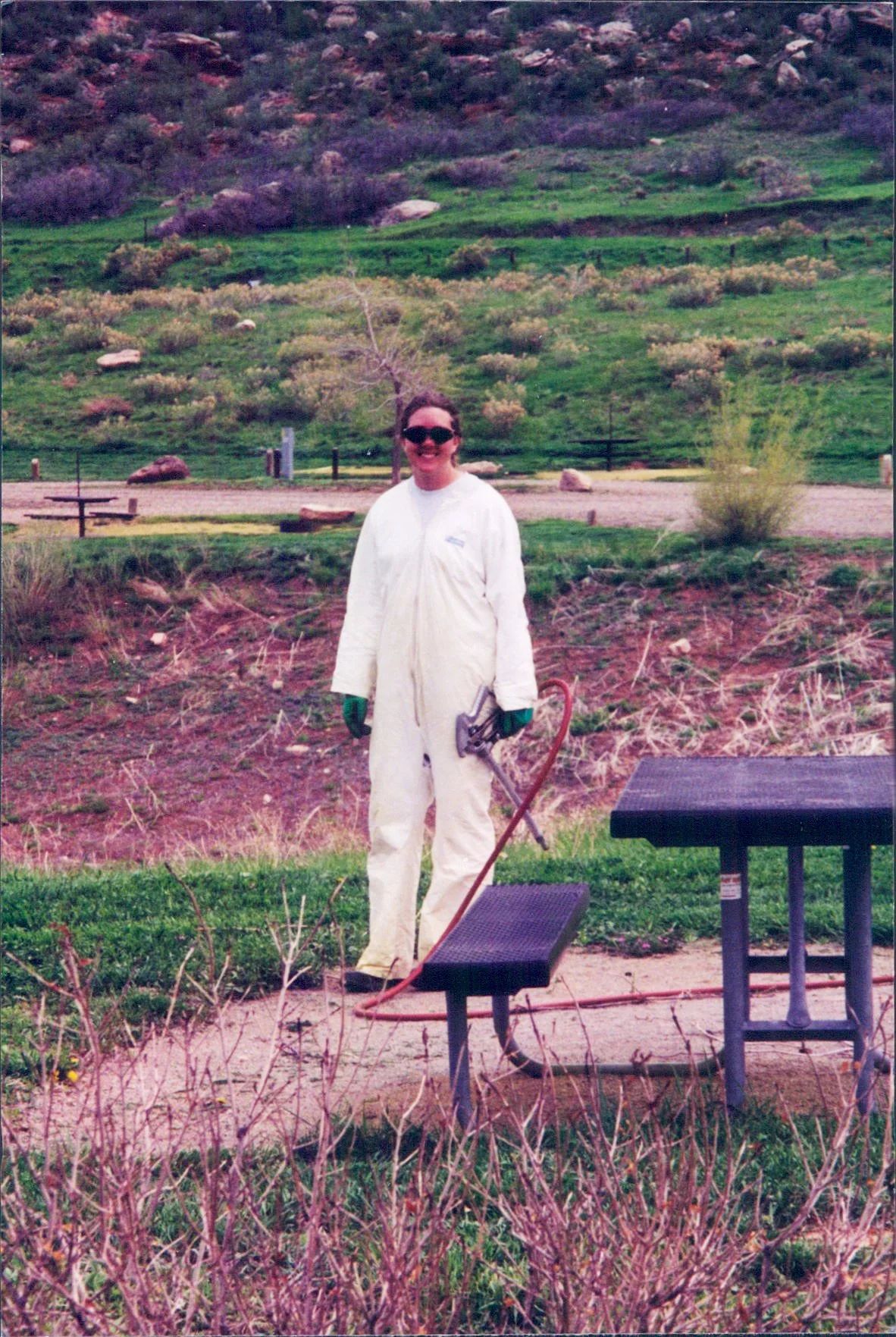
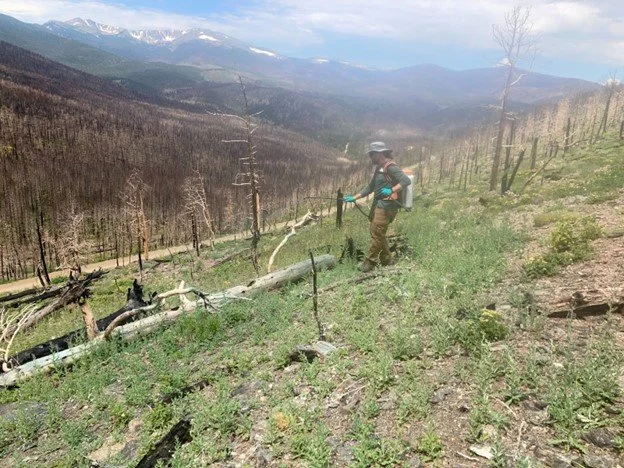
I was hired in 2008 to be the parks and open land weed technician. In this role, I supervised a seasonal crew tasked with managing noxious weeds on open space.
My job was fun, but physically and mentally challenging at the same time. It was fun because I was paid to spend most of my time outdoors communing with open spaces. It was challenging because it was my first full-time job where I was responsible for leading a team in land stewardship.
My aim was to maintain and enhance the health of open spaces by reducing the spread of noxious weeds, which can outcompete native vegetation, alter ecological processes, and degrade habitat.
I'd later go on to manage the land stewardship program for a decade.
From your perspective, what is one of the most meaningful outcomes or accomplishments that the Help Preserve Open Spaces (HPOS) sales tax has made possible?
Growing up on the Front Range of Colorado, I watched a quiet rural agricultural area become densely populated in a very short amount of time. Firsthand, I watched development lead to the fragmentation of expansive habitats.
I used to regularly commute from Loveland to Lyons at that time. I was deeply affected by the number of buildings being built and wildlife being killed by vehicles. I knew, even at a young age, that I wanted to help restore ecosystems and conserve the remaining open space – I just had no way of articulating it at that time.
However, for the last eighteen years I've gotten to do just that on Larimer County open space with the Help Preserve Open Spaces sales tax. I'm proud of all the acres I've helped restore and native habitats enhanced during my tenure.
Is there a memory or moment from your time with LCDNR that stands out as especially powerful, either personally or for the community?
The 2013 floods were life changing for so many reasons.
I grew up in the two towns that were destroyed by the floodwaters – Loveland and Lyons, Colorado. I moved from Lyons to Fort Collins a few months prior to the September floods.
I watched the pouring rain with my pregnant wife (our first child) for four days straight knowing that we dodged a bullet moving when we did, but also very concerned for our friends and family that still lived in those places.
I knew at that time that open space conservation and restoration was going to be critical to the recovery process. Within weeks I was working with a grassroots collaborative that later became the Big Thompson Watershed Coalition to try and rebuild a more resilient and healthy landscape in Northern Colorado.
Working for Larimer County, I was able to significantly contribute to this effort in many capacities over the next thirteen years.
How have you seen Larimer County residents, families, or visitors benefit from the protection, restoration, and enjoyment of open spaces?
Since the early 2000s when I began working in this field, I've watched outdoor recreation explode here!
When I first worked for Boulder County Parks and Open Spaces as a seasonal employee, there were very few visitors regularly using the trails. I'd see one or two vehicles at the trailheads, which would usually belong to affluent retirees who were bird watching.
In 2008 when I started working for Larimer County, I could take two work trucks with trailers to the main trailhead of Horsetooth Mountain and park them across 10 spaces and there was still plenty of parking for visitors!
Today, those same parking lots are consistently full of people of all ages and backgrounds hiking, mountain biking, and horseback riding, which is gratifying to see. There are also conservation zones at these same open spaces that act as habitat buffers for native plant communities and wildlife to thrive.
What message would you want to share with future generations about why conserving and stewarding lands in Larimer County is important?
The land – earth – ecosystems – open spaces – are like our body. If you take care of it, it will take care of you.
If you treat the land, water, habitat and air with respect and reverence, the open spaces will nurture your being. If you treat land, water, habitat and air as a consumable commodity, there will never be enough to go around.
Share both the benefits and responsibilities of open space and never take them for granted!
Note: As of December 2025, Casey is now pursuing ecological consulting work. The Department is grateful for Casey’s long-standing leadership and contributions to land stewardship in Larimer County.
Land Conservation & Management
Original hire date: 2009
Zac Wiebe
Resource Specialist II
-
How did your involvement with Larimer County Natural Resources begin, and what roles have you played in shaping its work over time?
I started with LCDNR in June of 2009. My role in planning and resource management has hopefully helped shape the department's efforts toward identifying and prioritizing land conservation projects, promoting and implementing responsible stewardship activities, and leveraging the funding that the public has entrusted in us to use responsibly.
Over the years, what moment, accomplishment, or change best captures the impact of the Help Preserve Open Spaces (HPOS) program for you, either personally or for the community?
Personally, participating in the conservation of thousands of acres of important habitat and land for future public access has been an incredibly fulfilling aspect of my work at LCDNR. Being able to give our community the same outdoor experiences that have shaped my passion and commitment to protecting natural landscapes has been a privilege and an honor. Additionally, restoring portions of our open spaces is an aspect of my job that I value greatly. Having the chance to remedy past uses of the land that were inconsistent with our mission feels like righting a wrong and is very rewarding.
My role at LCDNR involves engaging with a diverse array of public members, community groups, non-profits, and agency partners. Through almost all of my interactions with the public, the positive impact and importance of the HPOS tax is affirmed time after time. It's challenging to capture in words how critical this funding is to the way of life we enjoy in this region, but it's visible every day.
What do you hope future generations understand about why conserving and caring for open spaces in Larimer County matters?
Healthy and accessible natural spaces correlate directly with healthy communities. The visionaries whose foresight created the HPOS tax knew this and future generations must continue to understand and support this correlation.
Land Conservation & Management
Original hire date: 2012
Joel Schwab
Trail Project Supervisor
-
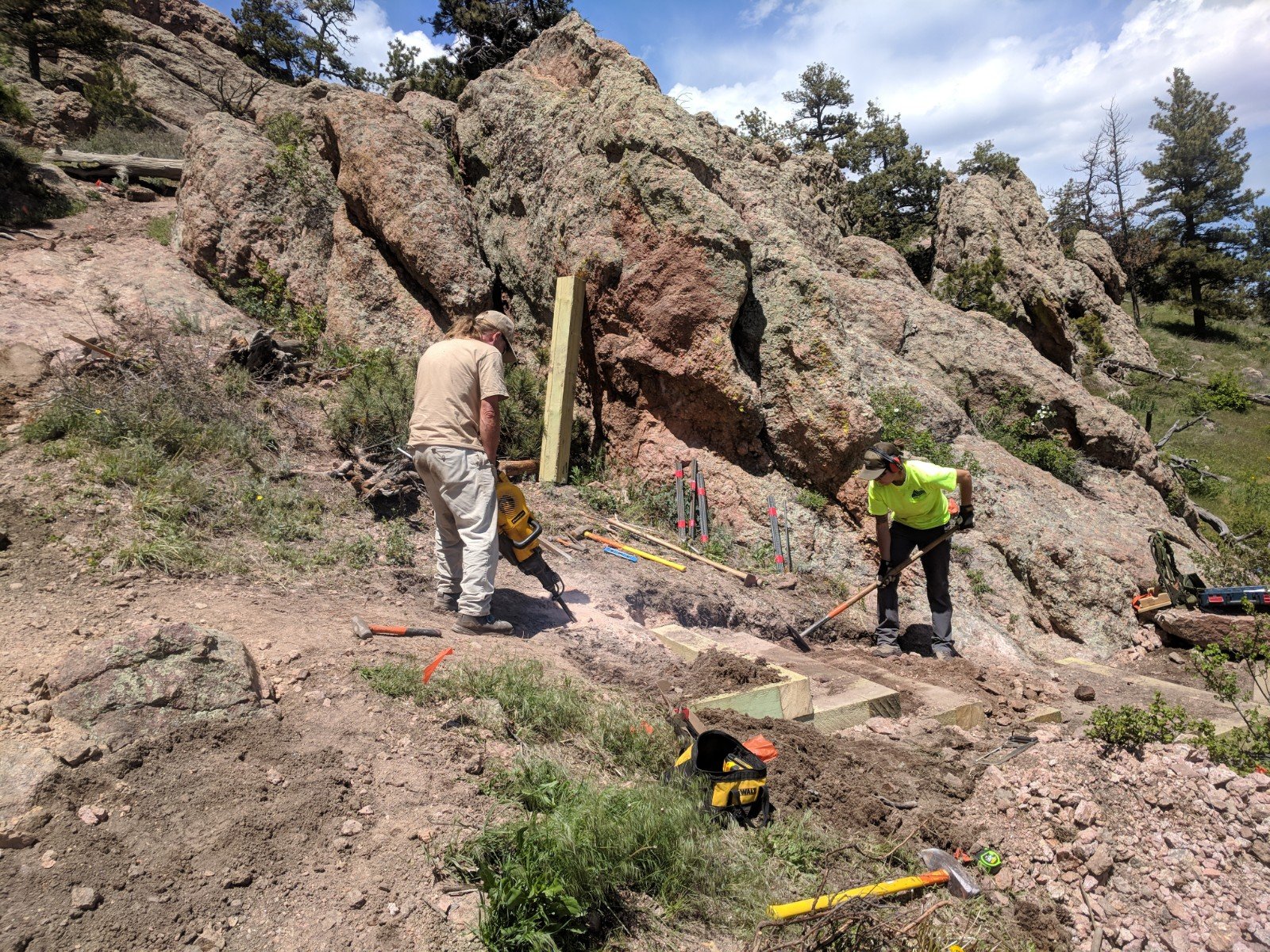
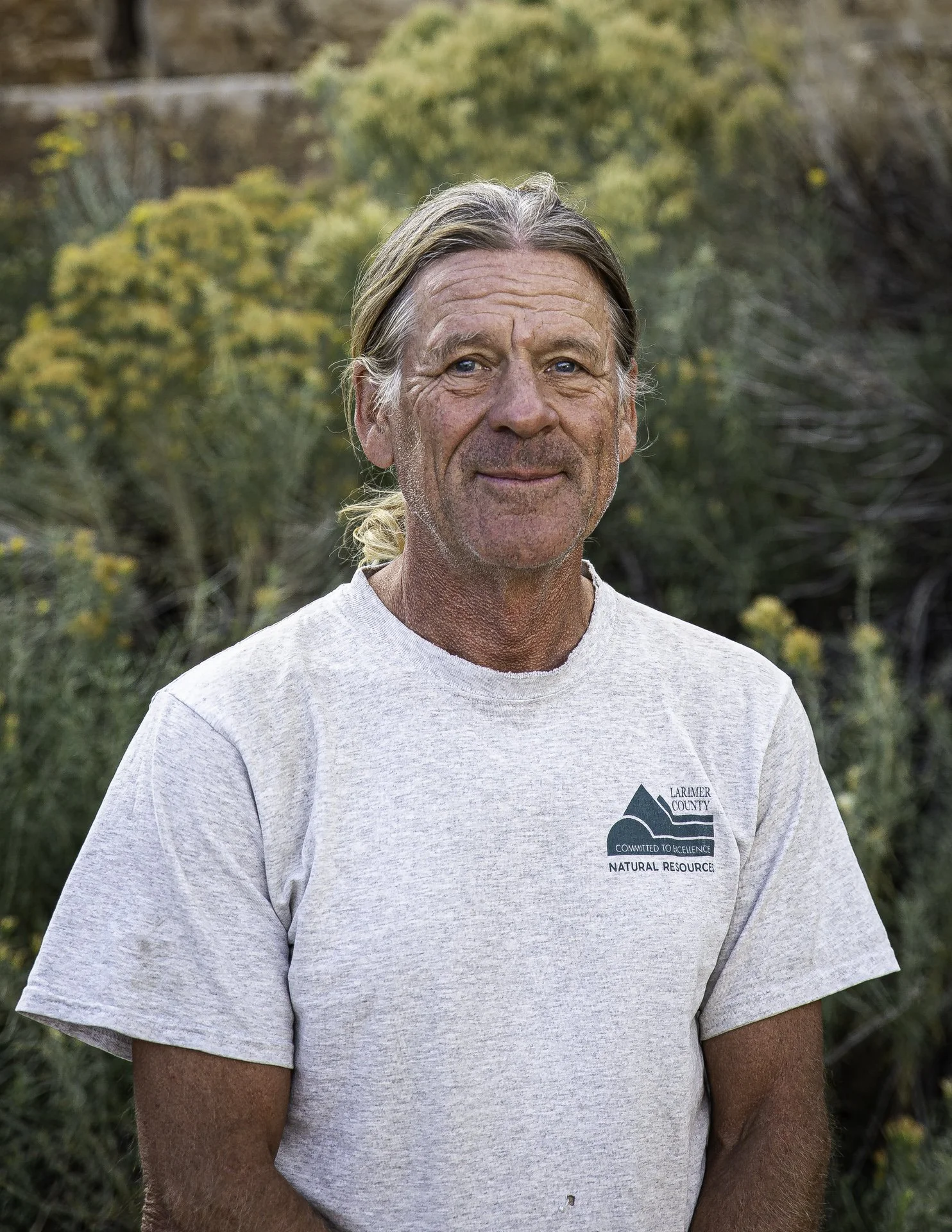
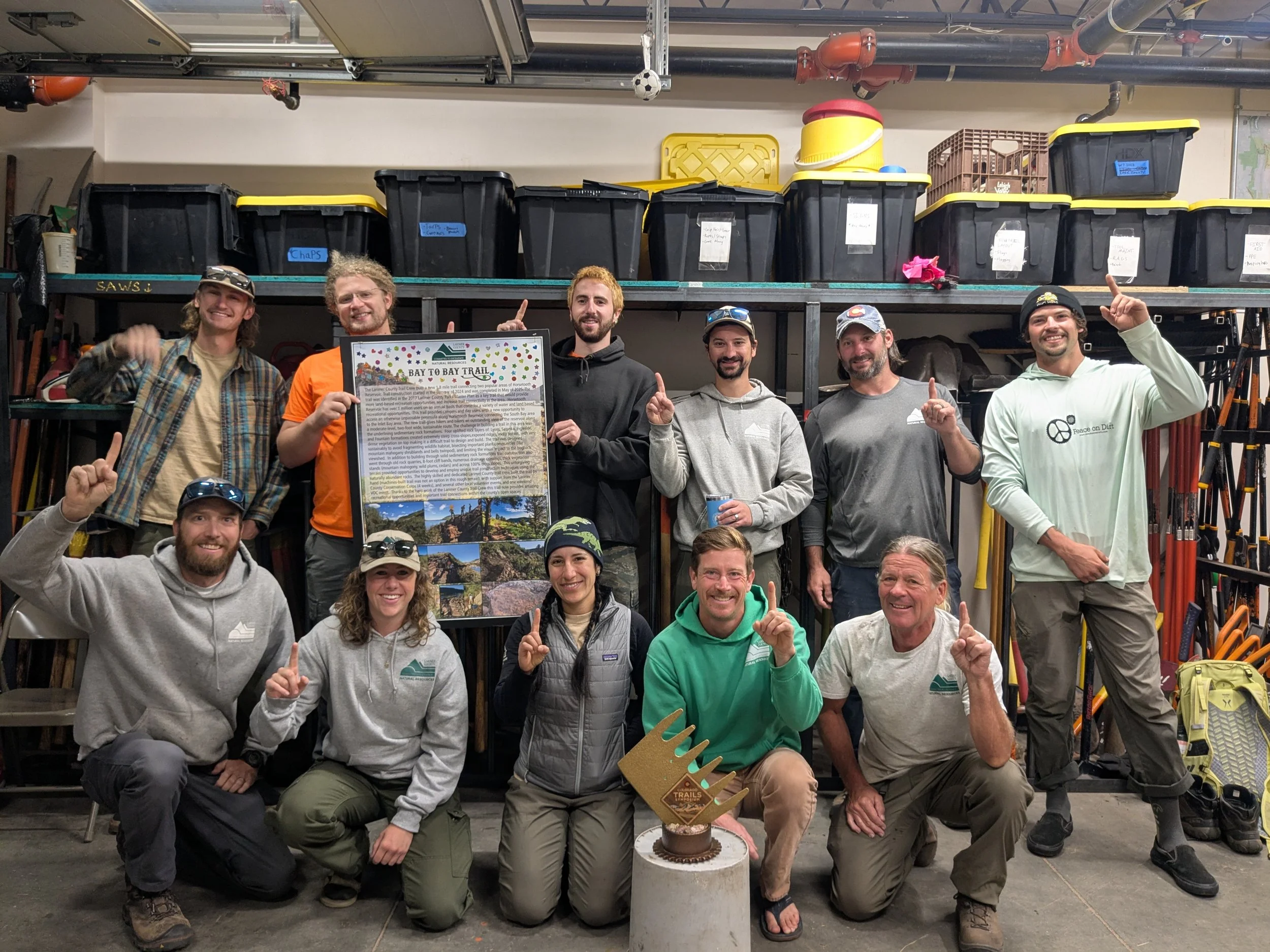
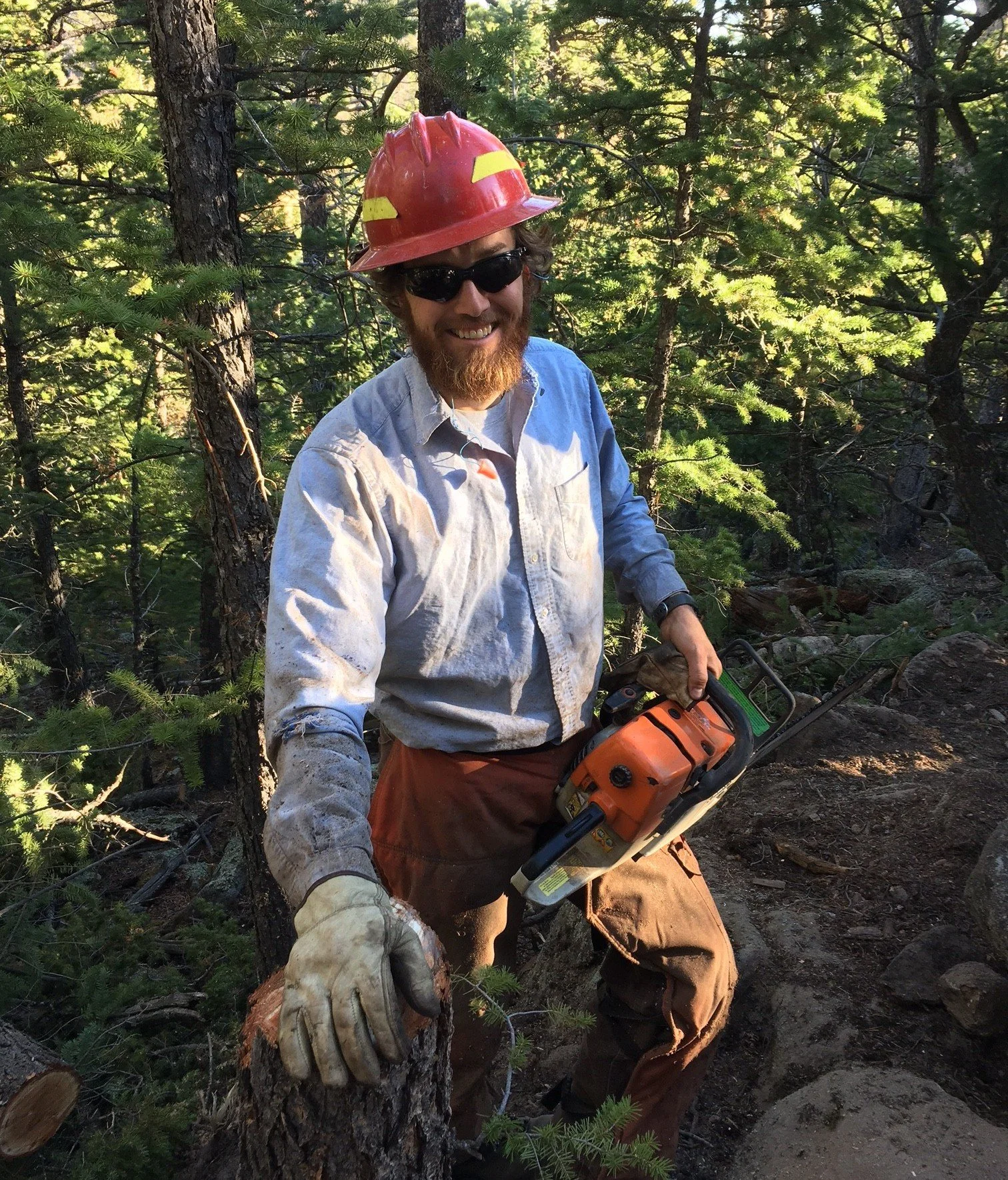
My involvement began back in 2012. I was hired as a full time Trail Crew worker. Back then we had two full time employees dedicated to the trail crew and hired temporary employees to help during the working months.
My supervisor was Joel Wykoff. We were known as the two Joels.
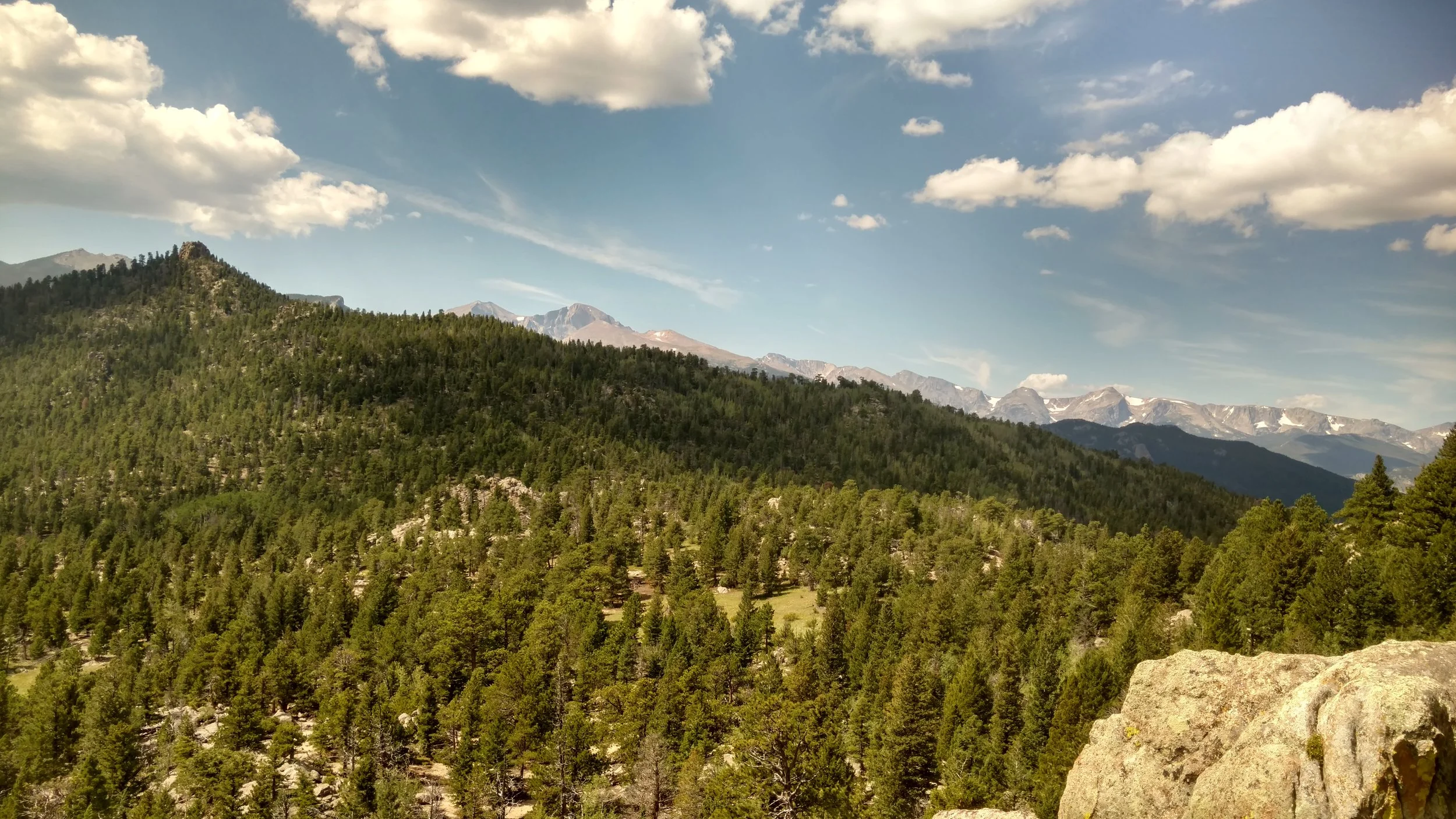
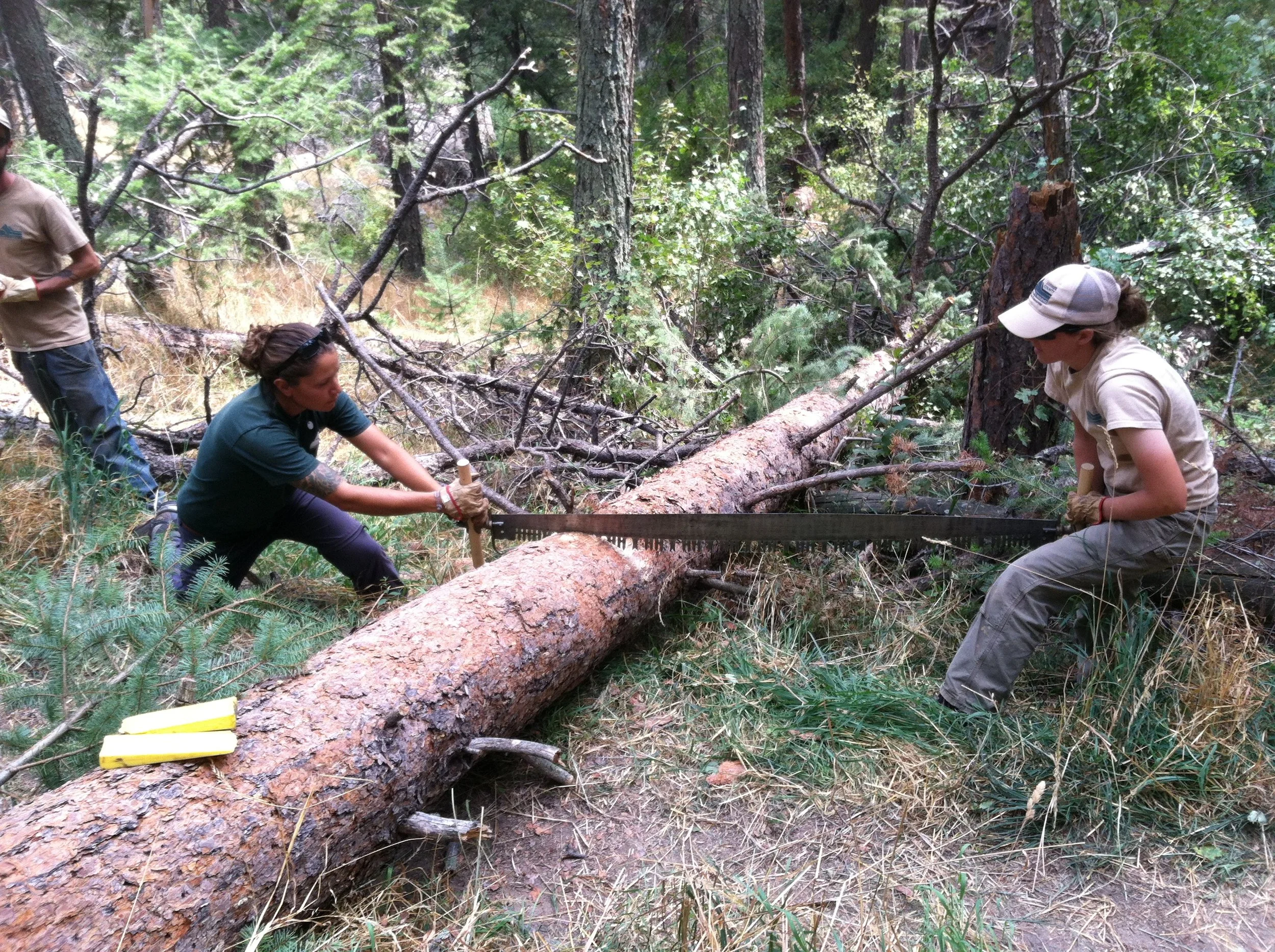
The other Joel retired at the end of 2015, and I took over as the Trail Supervisor. The trail crew always focuses on maintaining our existing trails, which is why we have a crew every year. Since 2012, the trail crew has also built 11 miles of new trail. These trails will outlive me and it's cool to think that the trail crews had a big impact on our natural resources and allowing others to use and enjoy them.
I think building out the trail system at Hermit Park Open Space was a huge accomplishment. While working on Limber Pine Trail, I told the trail crew that this was a once-in-a-lifetime opportunity to shape the recreation experience in Hermit Park, and they were lucky to be a big part of building the trail system.
Not only did the trail crew spend three years building out this trail system, they worked on engaging the community to help accomplish our goals and creating many fun and productive volunteer events.
I think people currently know, understand and care for the open spaces and are extremely appreciative for what we have. I think if we continue to share our love of open spaces with future generations by taking them out to them they will develop their own love and understanding of how important open spaces are and continue to support and protect them.
Business Operations
Original hire date: 2014
Stefanie Mees
Senior Accountant
-
I started on the trail crew and later moved into budgeting and accounting to support the department's work behind the scenes.
Personally, the accomplishment that best captures the impact of the sales tax is the construction of the Limber Pine Trail at Hermit Park. I love sharing the trail with friends and family and showing them where I spent my summers on the trail crew.
Conserving open spaces creates shared areas that bring people together, which helps friendships and community grow.
Visitor Services
Original hire date: 2016
Trevor Knight
Senior Ranger
-
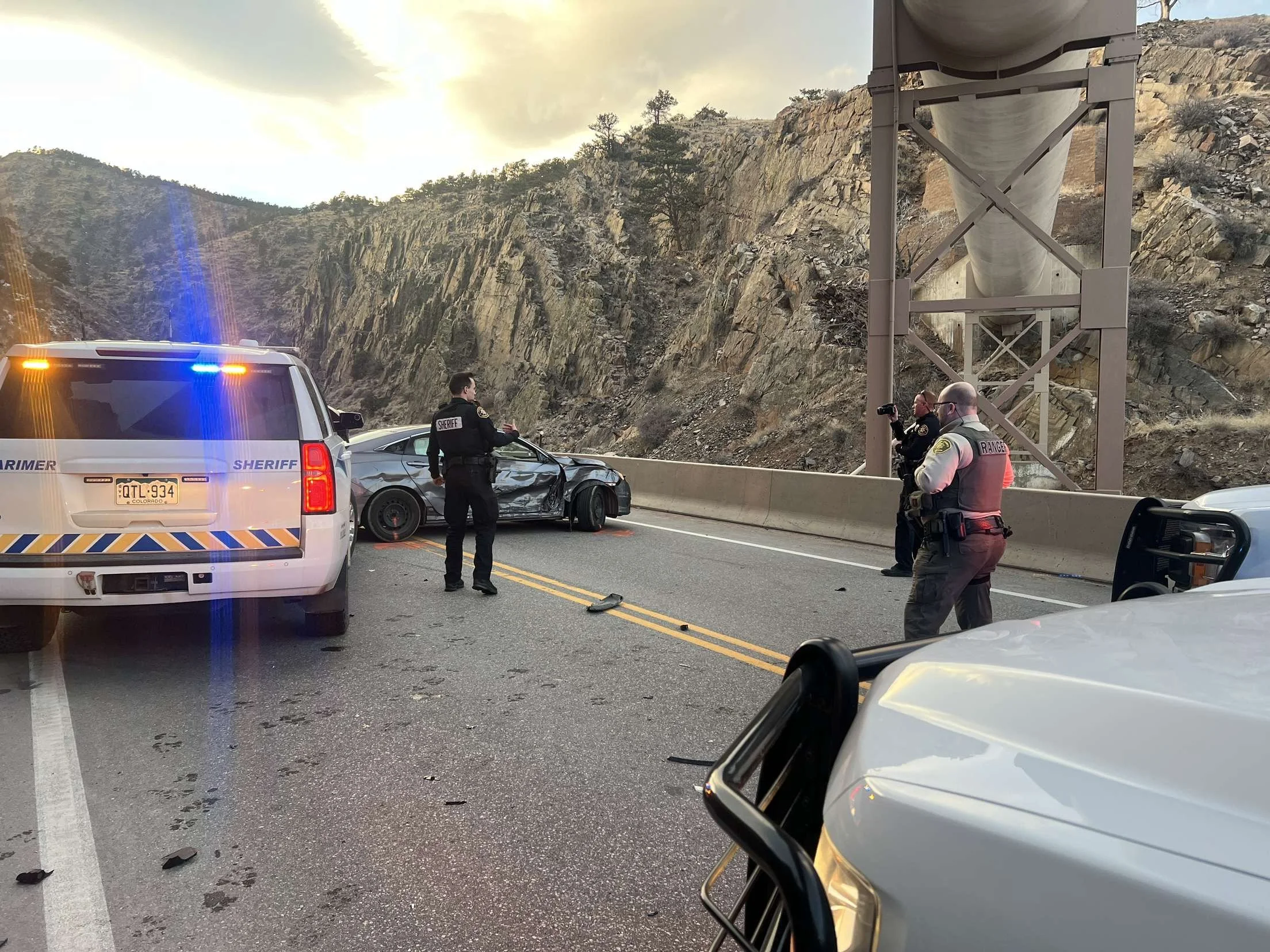
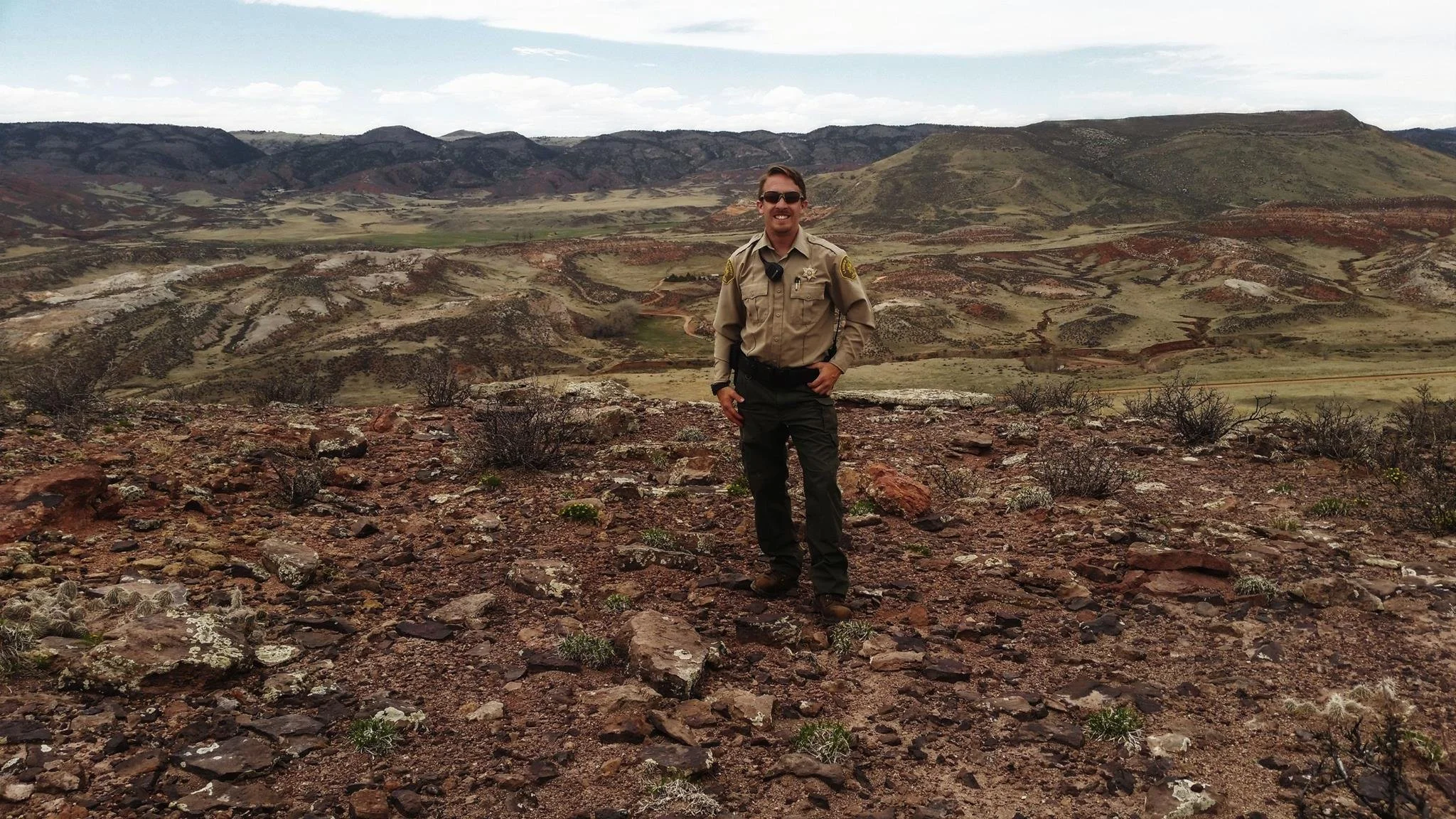
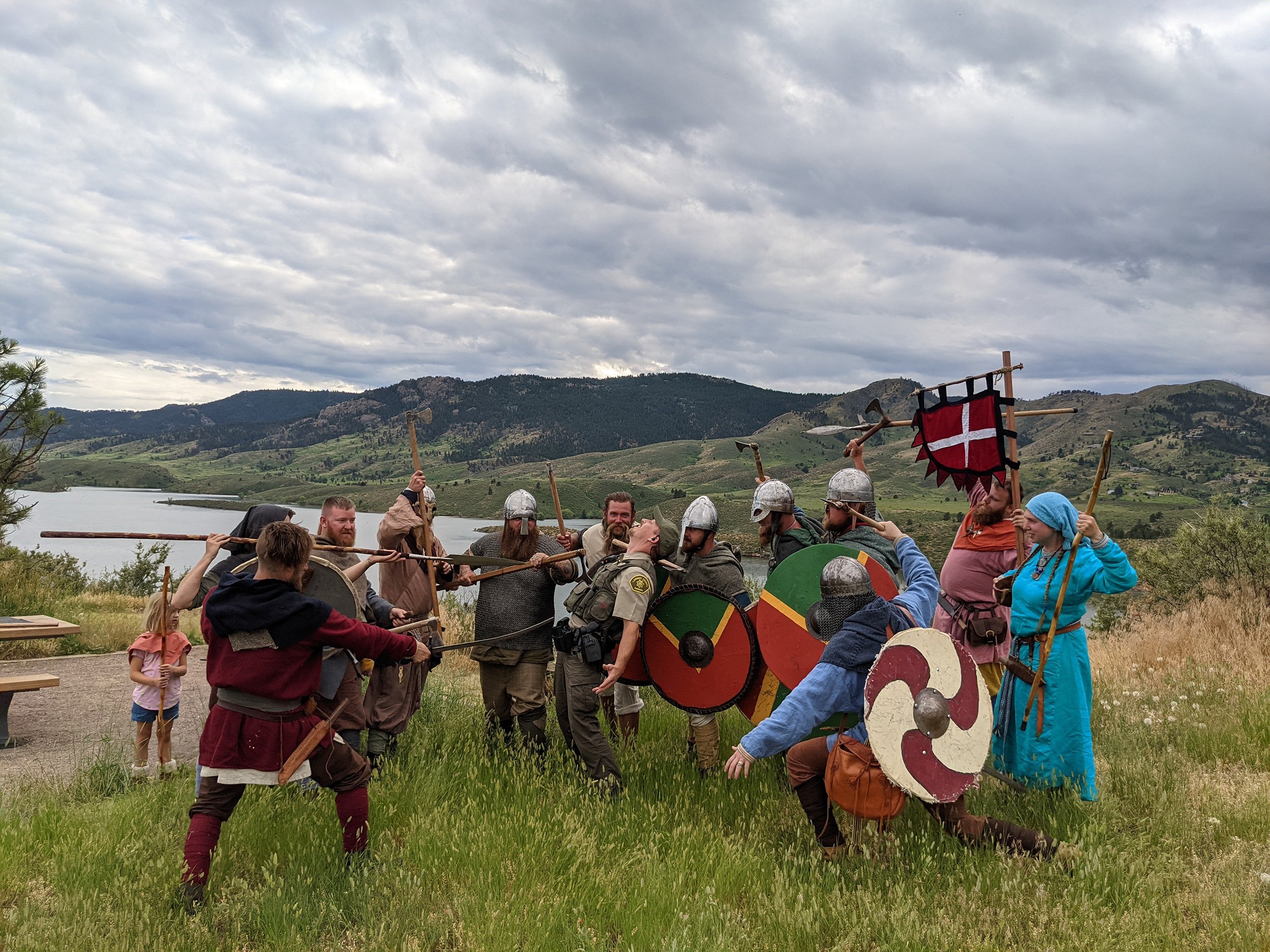
I started as a seasonal ranger in 2016, working in what was then the Red Mountain District. Those seasonal years are still some of my favorite memories.
I'd spend hours on the trails at Red Mountain talking to hikers, bikers, and horseback riders. I'd push cattle out of the open space property, walk miles of remote fenceline, and get to assist with some really cool conservation projects, including the introduction of the threatened greenback cutthroat trout into the headwaters of Sand Creek.
I grew up near Pinewood Reservoir, and my wife, Claire, grew up in the old cliff cottage off of 18E. Our family's connection to the landscape surrounding Pinewood, Flatiron, and Carter Lake goes back generations, and though some development has occurred in the area, the majority of the landscape remains the same, thanks largely to Larimer County and the help of the preserve open space tax.
It's amazing to walk into these areas that carry so many memories for me and see the landscape mostly unchanged. The trees are taller, and there are a few more paved parking lots, but the smells, sounds, and viewsheds remain with little human impact.
We live in a world that is rapidly changing, and the human impacts of resource consumption, population growth, and climate change are all challenges that we confront daily.
Conservation of our natural resources and the preservation of our open spaces are two of the most important tools we have for long-term stability.
Larimer County is a special place, and the opportunities for recreation, wildlife viewing, and nature-based experiences are not only unique but worth protecting.
Investing in our future does not always mean investing in something new; sometimes, the most important investments are those that preserve our history and leave landscapes the way that they are meant to be: wild, evolving, and beautiful.
Land Conservation & Management
Original hire date: 2016
Jenn Almstead
Grants & Special Projects Manager
-
How did your involvement with Larimer County Natural Resources begin, and what role have you played in shaping its work over time?
I first joined as a volunteer in 2010, creating materials and presentations for the land resource team. That experience sparked my passion for protecting open spaces and set me on the path toward a career in natural resources.
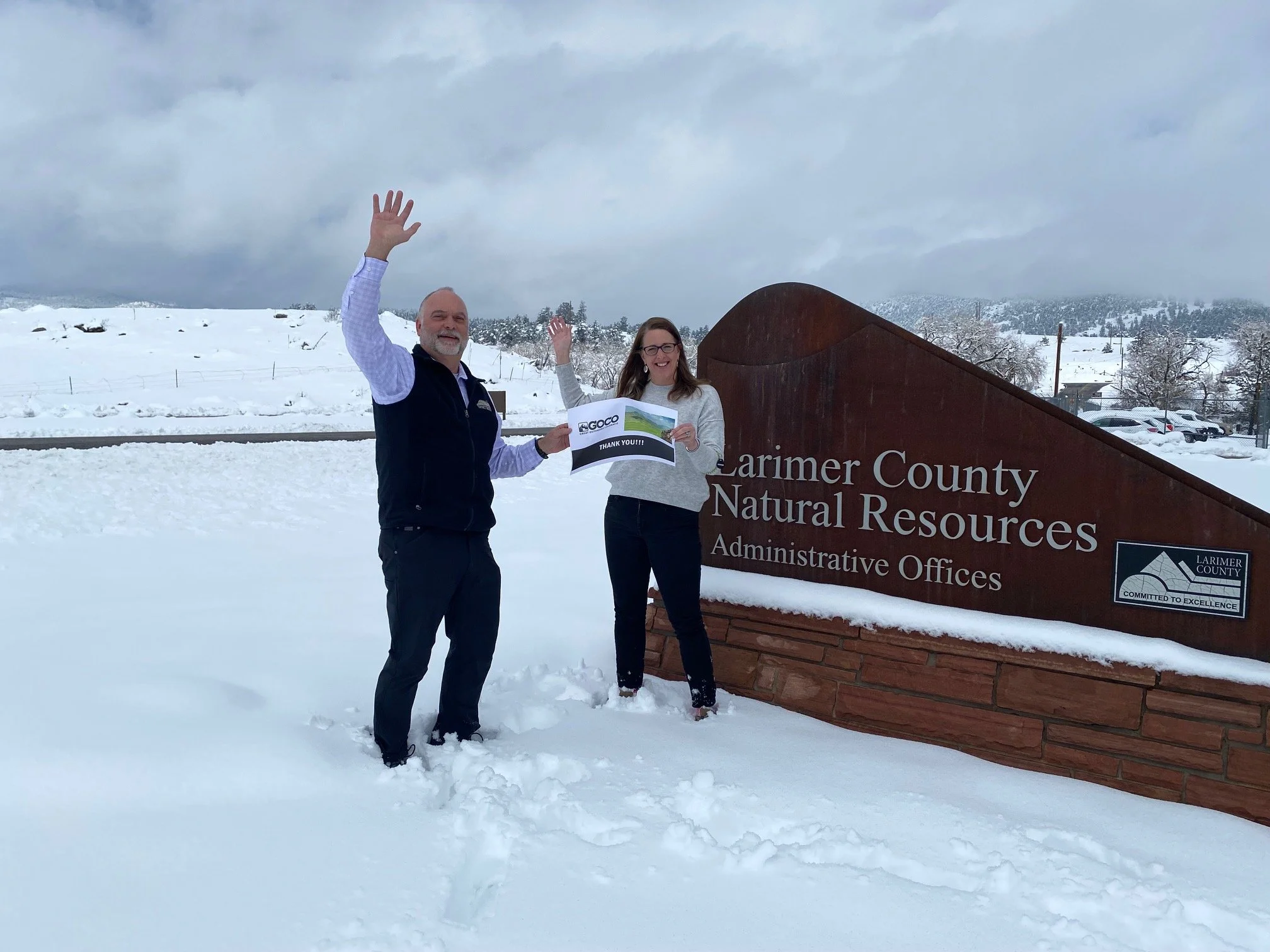
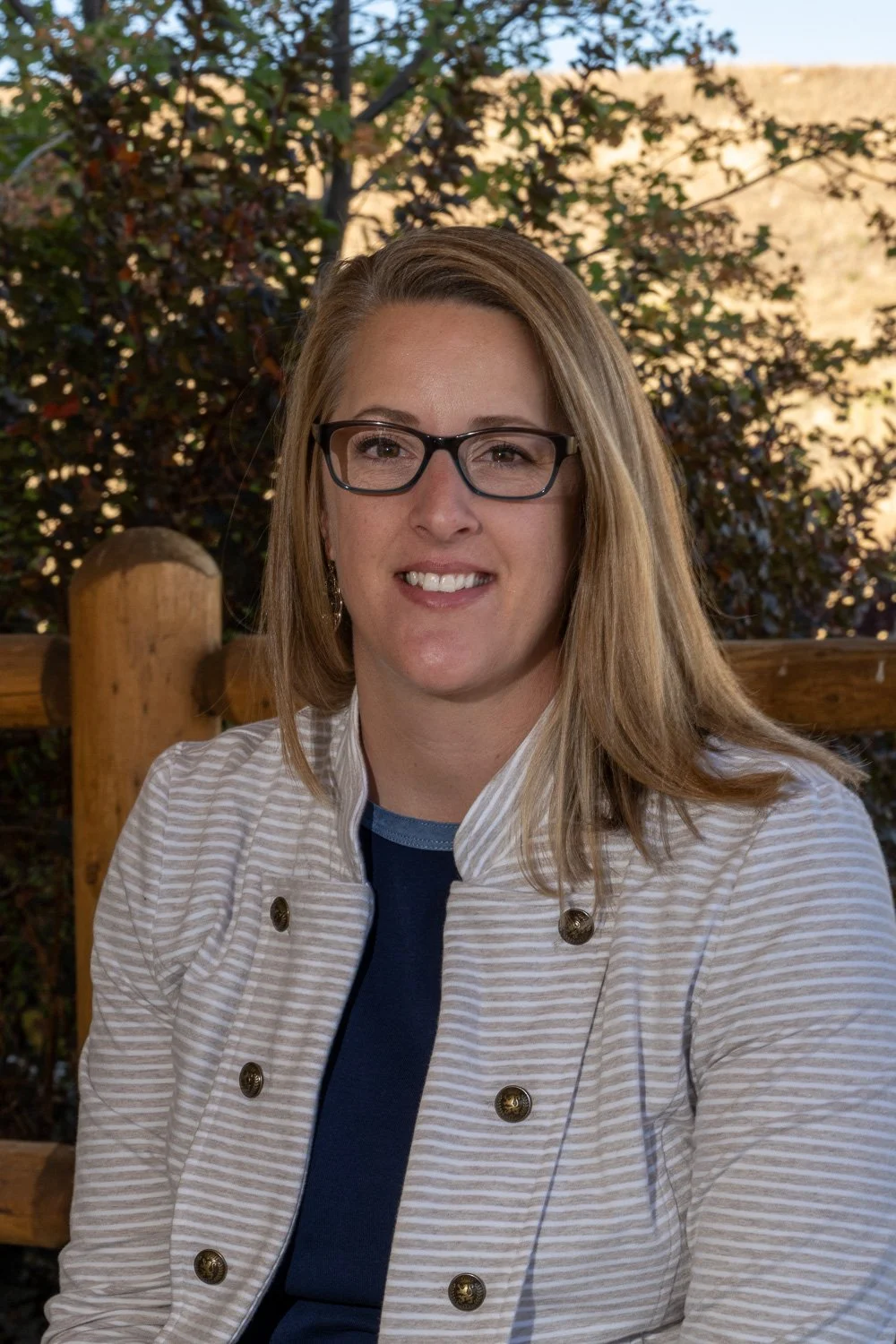
For a decade now as the Fund Development & Projects Specialist, this role has allowed me to be part of so many meaningful initiatives. I’ve had the privilege and honor of supporting the department by conducting visitor studies, securing grant funding and building partnerships, essential to the work made possible through the open space sales tax.
Over the years, what moment, accomplishment, or change best captures the impact of the Help Preserve Open Spaces (HPOS) program for you, either personally or for the community?
The purchase of Canyon Edge Open Space really stands out as an incredible outcome of the HPOS sales tax. The ability for LCDNR to swiftly purchase 1,500 acres of pristine land in west Loveland in 2022 is a remarkable and extraordinary achievement, one that will be celebrated for years to come. What has meant the most to me is seeing the outpouring of support from funders, partners, and the community. Everyone is genuinely excited about this future of open space in Loveland. It’s been amazing to witness, and it reminds me why this work matters so much.
What do you hope future generations understand about why conserving and caring for open spaces in Larimer County matters?
Once pristine land is sold for development, it is lost forever. Open spaces protect vital living and breathing ecosystems that are critical for a changing climate, provide clean water, serve as havens for wildlife whose very existence depend on our stewardship, and connects us all to something larger than ourselves. Their beauty and belonging give us room to breathe, to wonder, and to remember what truly matters. Open Spaces are the heartbeat of the community, and through stewardship is how we honor both the land and our future.