
Daylan Figgs

Director Daylan Figgs reflects on partnership, working landscapes, and the lasting impact of conservation. From cross-boundary collaboration to everyday moments on the trail, his perspective centers on a simple truth: protecting open space is a commitment made not just for today, but forever.
When Daylan Figgs became director of the Larimer County Department of Natural Resources in 2019, he was not stepping into unfamiliar territory.
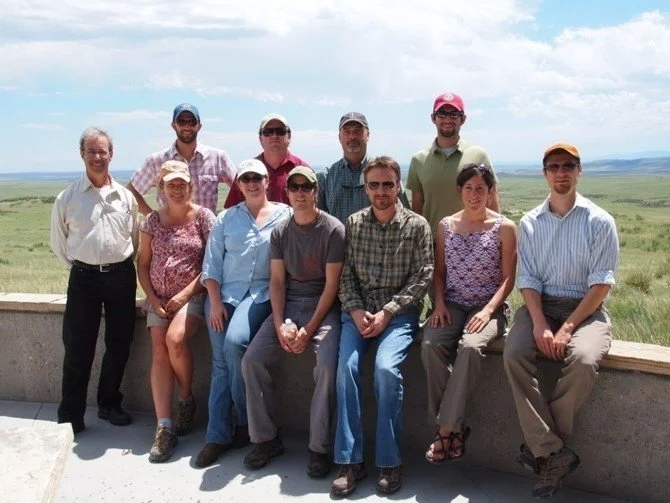
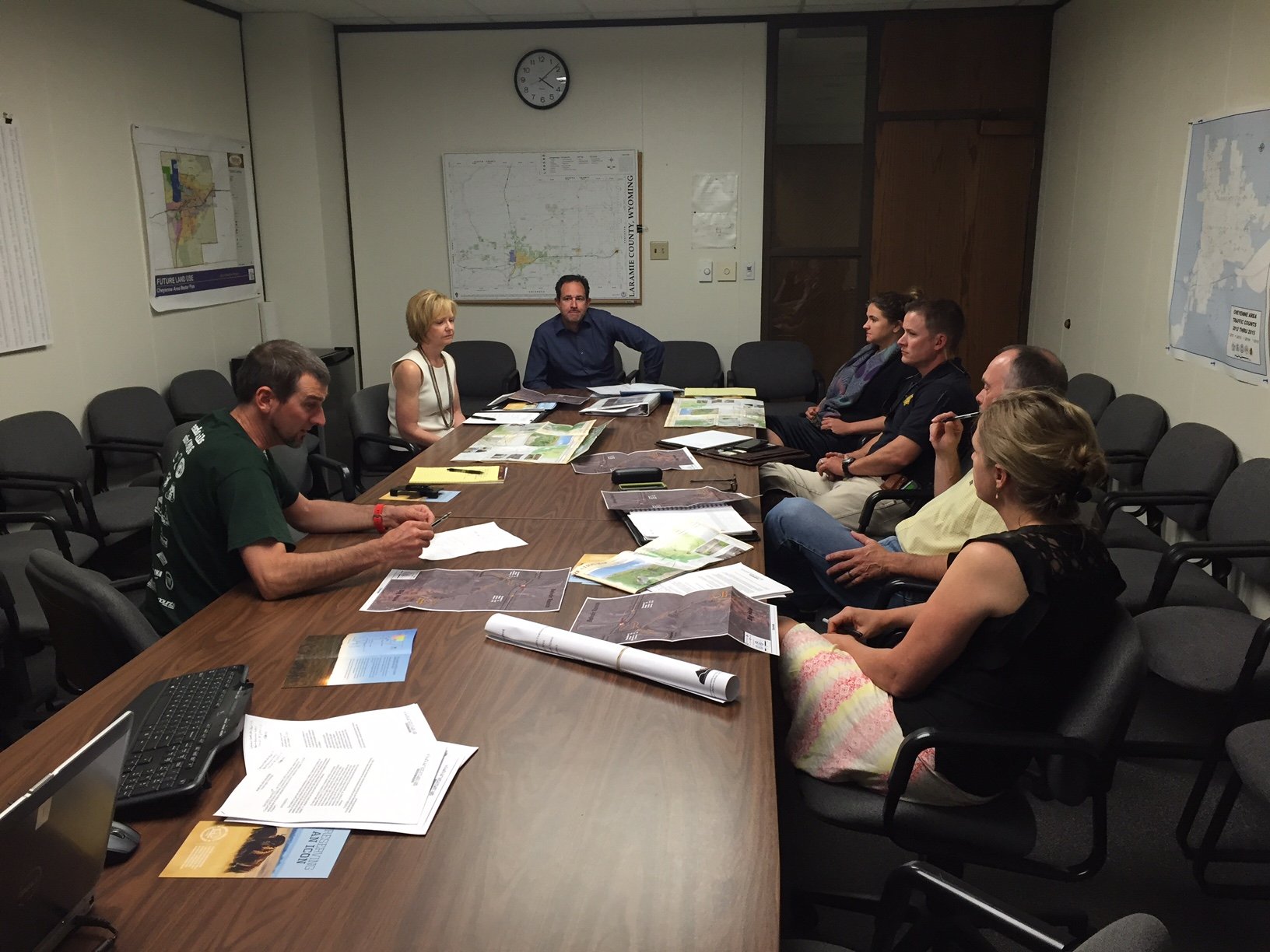
Long before that January, Figgs was already working alongside the department, walking the same landscapes, sitting in the same community meetings, and helping plan how some of Northern Colorado's most iconic open spaces would be managed. In his previous role with the City of Fort Collins Natural Areas, where he spent several years , Figgs collaborated closely with the county on projects where city and county conservation lands meet.
"The relationship really started around 2006," he recalls, thinking back to the years when Soapstone Prairie and Red Mountain were coming online simultaneously for both entities. "We worked together especially during the planning process. We did a lot of tours of the property that went across both the city and the county-owned properties. We had a lot of community conversations we both participated in."
The two entities tackled cross-boundary management, all oriented around a single question: how do you work together across boundaries to accomplish something neither could do alone?
That spirit of collaboration is, in his view, one of the defining features of how Larimer County has approached conservation throughout its history, and the engine behind much of what the Help Preserve Open Spaces program has achieved.
A Portfolio Built on Partnership
When Figgs looks at the county's open space portfolio, what stands out isn't just the scale or the scenery, though he's quick to name Devil's Backbone, Horsetooth Mountain, Horsetooth Reservoir, and Red Mountain as properties with genuine distinction. What impresses him most is how intentionally it all came together.
"The county has really done a nice job focusing on protecting key landscape features," he says. "They've done a really nice job assembling properties together and opening them up for public use."
Just as important is the department's commitment to maintaining working landscapes alongside recreation and habitat conservation.
"One of the things I've always enjoyed about the county is the working landscape component of what we do," Figgs says. "There's a lot of active grazing and interaction with the agricultural community."
Active ranching isn't a historic footnote in Larimer County. It's an ongoing part of how the land is managed and why conservation has been possible at the scale it has. Families who have stewarded these properties for generations have chosen, in many cases, to protect them rather than sell to developers.
"Our conservation really hinges on willing landowners to conserve their properties with us," he says.
He points to the Laramie Foothills as the clearest example. The sweeping stretch of conserved land along the county's western edge brought together the Nature Conservancy, local land trusts, willing ranch families, and multiple government entities working in sustained coordination over years.
"To me, that's a conservation success story anyone can point to," Figgs says. "No one entity could have done that. It really is a partnered approach to land conservation, and that's where the working landscape model shines."
What Stays
On any given day in Larimer County, you might not stop to think about how the open space on the edge of town got there. That, Figgs suggests, might be the truest measure of success.
"We're becoming part of the fabric of the community," he says. "People just expect it to be there. It's not a novelty anymore."
That seamless transition (from parking lot to trailhead, from neighborhood to foothills) is something he notices most when he travels somewhere it doesn't exist. Here, it's taken for granted. And in his mind, that's how it should be.
Today, what moves him most on the trail isn't a particular vista. It's watching families outside together. Kids encountering wildlife. People making the parks part of their regular lives.
"When I'm out on the trail system, I enjoy watching people connect with nature, families experiencing the outdoors together," he says. "As a department, we brought all that together. We really invited people outdoors in different ways. And it's always going to be there."
The Honest Challenges Ahead
Figgs doesn't reach for easy optimism when the conversation turns to the future. Land prices in Colorado have made acquisition increasingly competitive. Climate change, forest health, and water scarcity sit at the edge of every long-range conservation conversation. The impacts of the Cameron Peak and East Troublesome fires will be measured in decades, not years.
These are things the department will simply have to respond to, not because they're solvable at the county level alone, but because the county's strength has always been building coalitions capable of tackling what no single entity could handle.
Despite those challenges, Figgs sees strong reason for optimism.
"I think the opportunities outweigh the challenges," he says. "The community's support isn't a reluctant yes. It's an enthusiastic one."
A Forever Commitment
In conservation work, Figgs says, one word keeps surfacing in conversations about long-term responsibility: forever.
The Help Preserve Open Spaces sales tax turned 30 this year, but the decisions it made possible were built to last far longer. Conservation easements and open space purchases don't expire with a ballot measure. They reflect the trust placed in a public program by the community that chose to fund it. The land, once protected, stays protected.
"As I remind people, forever is a really long time. And these are the kinds of commitments we're making."
What strikes Figgs as remarkable is how early the county started, before today's pressures emerged and before the challenges were as visible as they are now.
"It was a very forward-thinking decision," he says. "People were looking into the future and forecasting — let's get ahead of this. It was a very proactive way to think about it."
Those early decisions helped shape Northern Colorado into what it is today, where protected landscapes, trails, and reservoirs form an essential part of the region's quality of life. That commitment, Figgs says, extends far beyond any single generation.
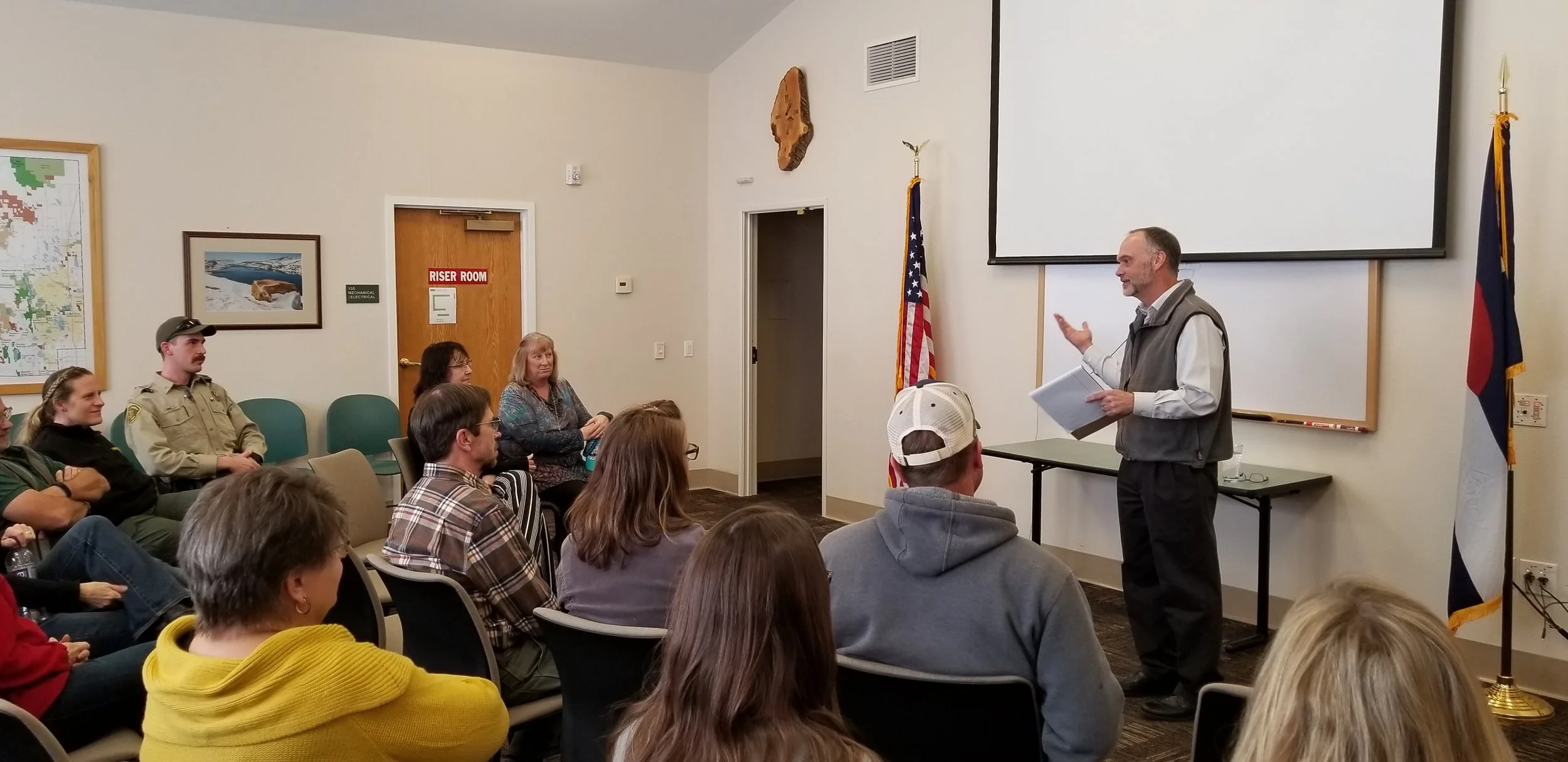
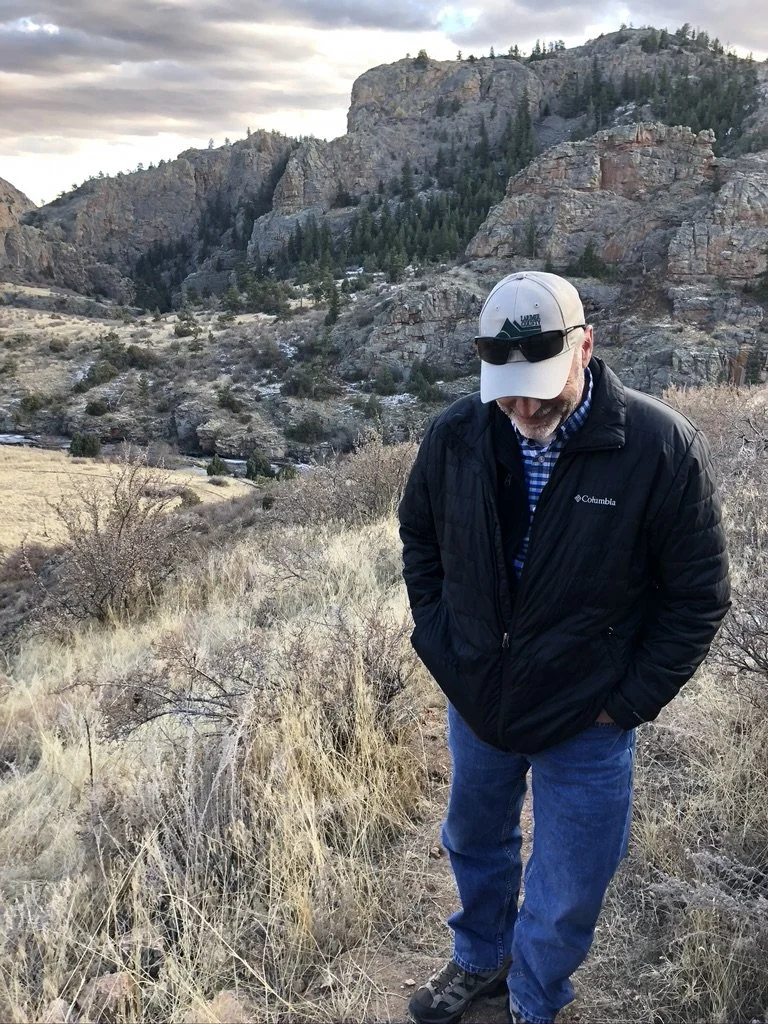
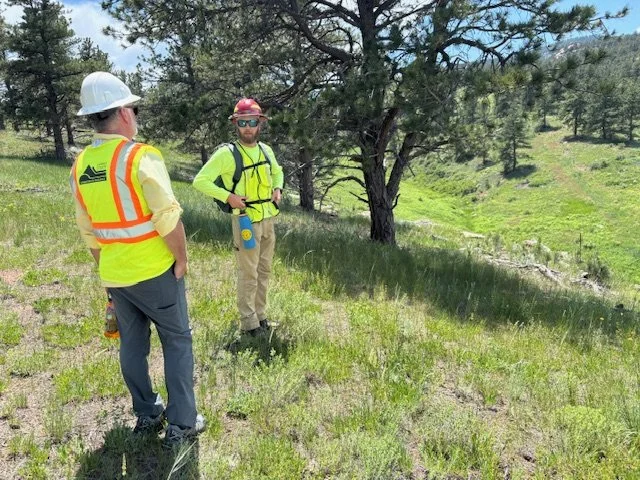
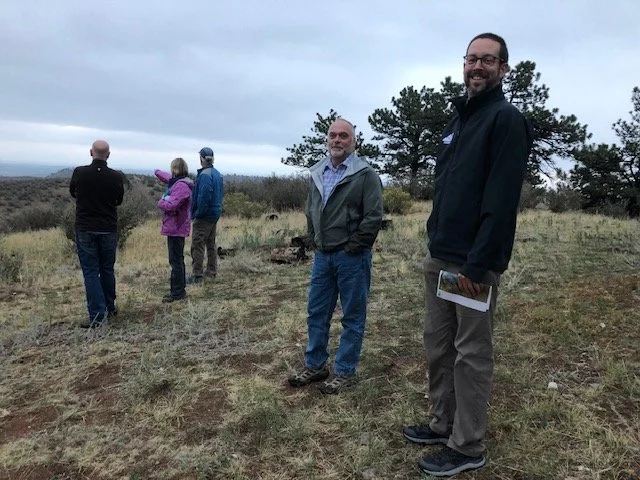
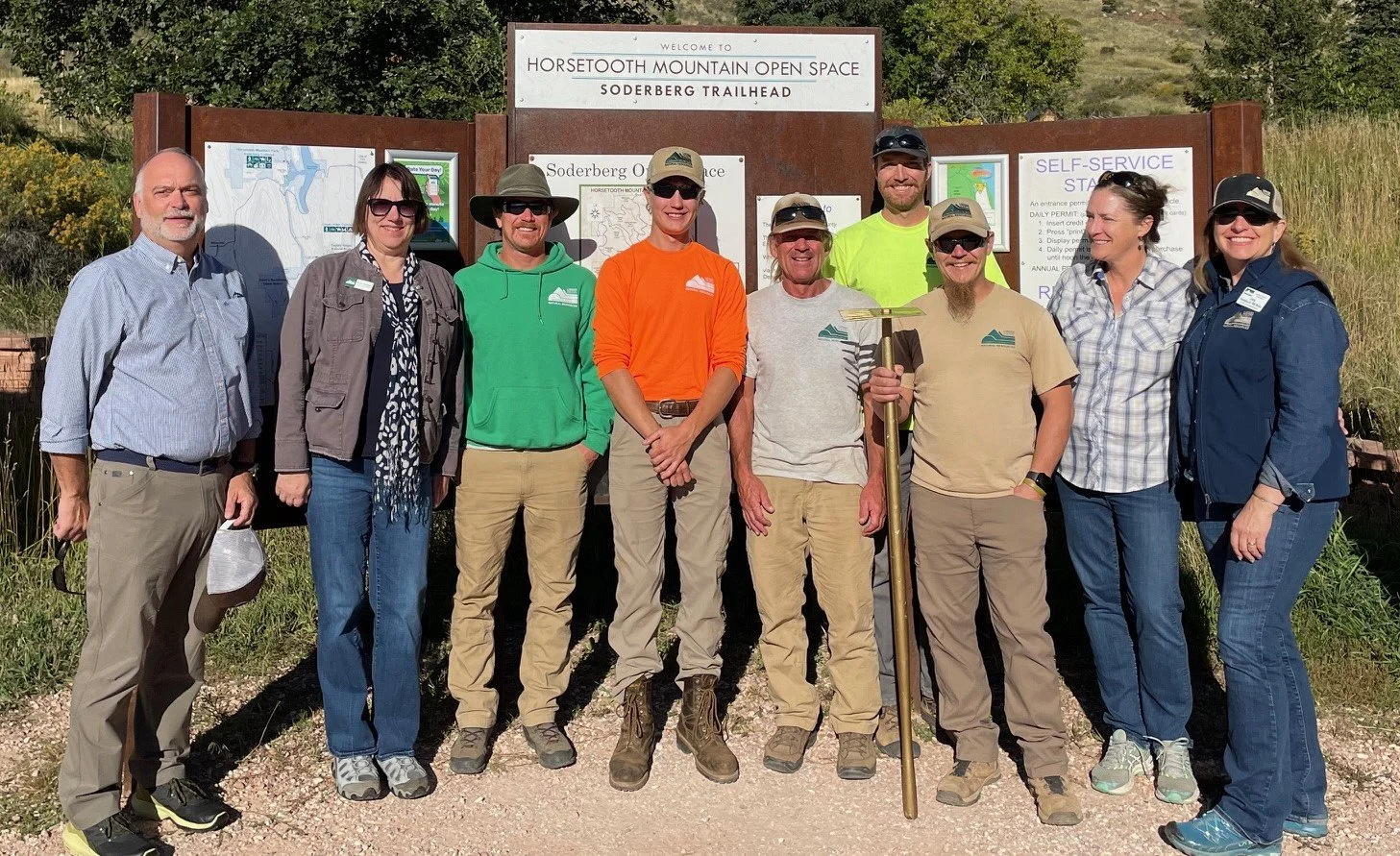
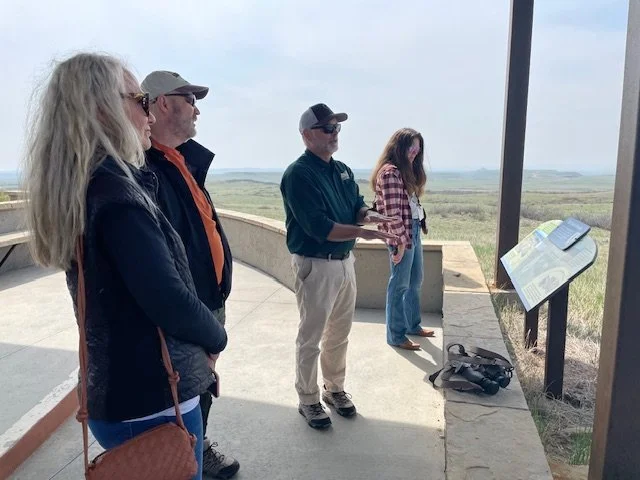
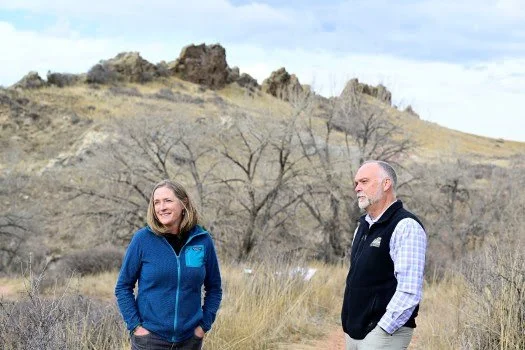
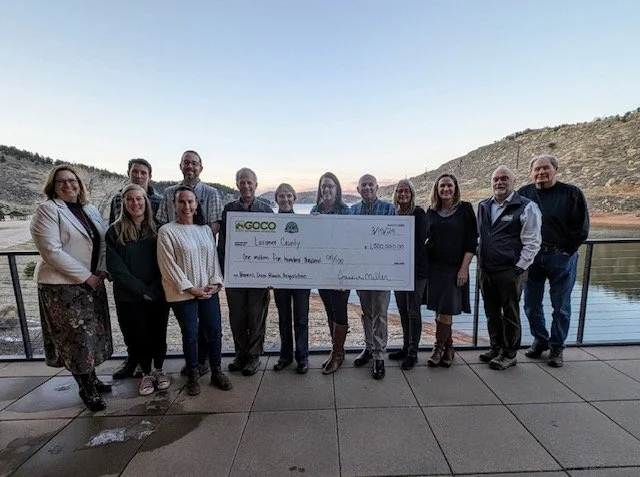
Larimer County Department of Natural Resources staff, 2022
Daylan Figgs has served as Director of Larimer County Natural Resources since 2019. He previously held leadership roles with the City of Fort Collins Natural Areas and brings more than 35 years of experience in conservation and outdoor recreation to his work.